




General
Dell Latitude Refurbished Review for NZ Buyers
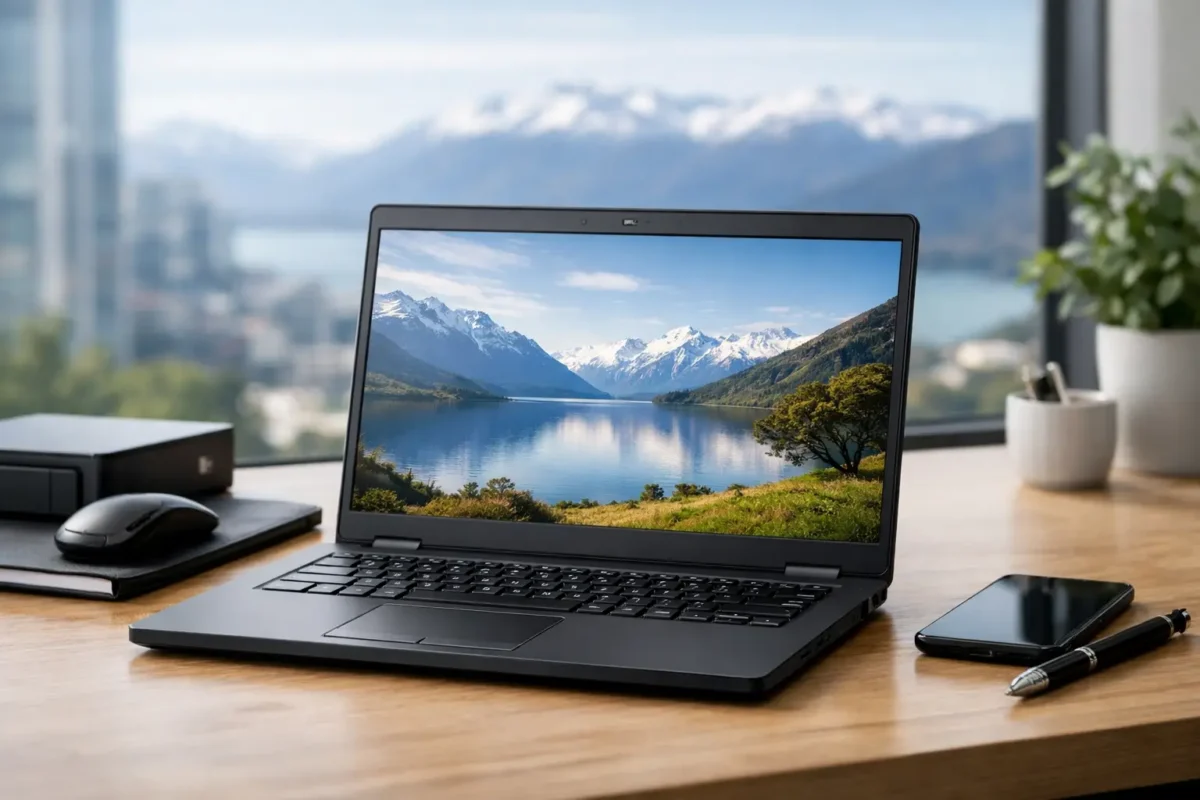
A laptop does not need a shiny retail box to be dependable. This Dell Latitude refurbished review is for buyers who need a machine that turns on every morning, handles work or study without fuss, and leaves room in the budget for the things that matter. For many New Zealand homes, schools and small businesses, a professionally refurbished Latitude is a sensible alternative to a low-cost new laptop built for lighter use.
Dell Latitude laptops were designed for commercial fleets. That means they were originally bought by organisations that needed durable construction, sensible ports, security features and straightforward servicing. When those fleets are renewed, good machines become available at a far lower price than their original cost. The result can be excellent value, provided you choose the right model, specification and supplier.
Why refurbished Dell Latitudes remain popular
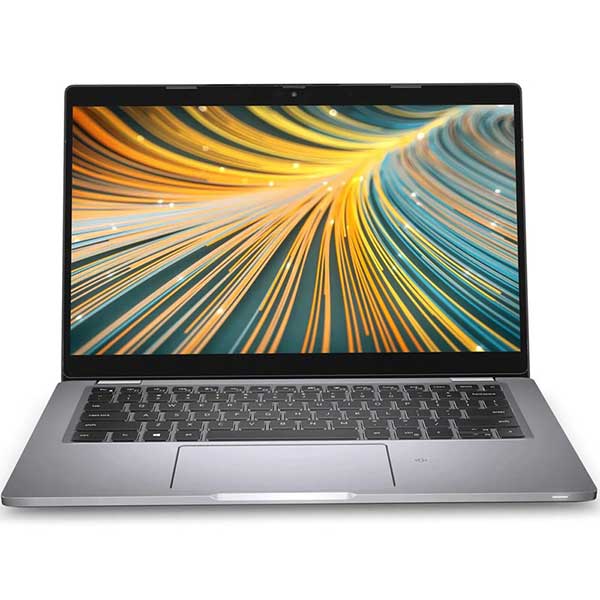
Latitude is Dell’s business laptop range, sitting above many consumer-focused models in build quality and long-term practicality. The typical Latitude has a solid chassis, a comfortable keyboard, a matt display and useful connectivity for office equipment. Depending on the generation, you may find USB-C, HDMI, Ethernet, full-size USB ports and a docking connection. These are practical details when you are moving between a desk, meeting room and home office.
Ex-lease hardware also tends to be predictable. A business may have bought hundreds of the same configuration, so refurbished stock often comes with clear processor, memory and storage specifications. That makes purchasing easier for a business replacing several devices, or for a parent trying to compare options for a student.
A refurbished Latitude is not automatically the right choice for every buyer. It is usually a much better fit for documents, web research, video calls, cloud software, accounting packages and general office workloads than for demanding modern games, 3D design or high-end video production. The value is in getting commercial-grade hardware for everyday tasks, not in expecting a budget laptop to perform like a new mobile workstation.
Dell Latitude refurbished review: performance in real use
The best starting point is not the model name alone, but the processor generation, RAM and SSD capacity. A Latitude 5000 or 7000 series model with an Intel Core i5 processor, 8GB or 16GB of RAM and an SSD will feel responsive for the work most people do each day. It should boot quickly, open several browser tabs without becoming frustratingly slow, and run Microsoft 365, Teams or Zoom, email and web-based systems comfortably.
For a student, 8GB of RAM and a 256GB SSD is often a practical minimum for assignments, online learning and everyday applications. A business user working with bigger spreadsheets, multiple browser-based tools or two external monitors will usually appreciate 16GB of RAM. Storage can be expanded on some models, but choosing enough capacity from the beginning keeps things simple.
Screen size changes the experience more than many buyers expect. A 13-inch Latitude is easier to carry between classes or appointments. A 14-inch model is often the best all-round option, with enough workspace while still fitting easily in a bag. A 15-inch model suits buyers who spend most of the day at a desk and want a larger screen without adding an external monitor.
Older models can still be excellent value, but they need to match the operating system requirements and your expected lifespan. Windows 11 compatibility matters if you want ongoing support and a straightforward setup. Do not assume every older Latitude is Windows 11-ready simply because it runs Windows well. Check the specific processor generation and installed operating system before buying.
Build quality is a genuine advantage
Consumer laptops at the cheapest end of the market often save money through thinner plastics, limited ports and lower-spec storage. A used Latitude may show light cosmetic marks, but it was generally built for regular transport and all-day office use. Hinges, keyboards and chassis design are usually a step up from many new entry-level machines at a similar price.
That does not mean every refurbished unit will look brand new. Refurbished equipment can carry minor signs of its previous working life, such as light scuffs on the lid or keyboard wear. What matters more is that the laptop has been professionally checked, cleaned and tested, with the listed specification matching what arrives. Honest condition information is part of good value.
What to check before you buy
A Dell Latitude model number tells you something, but it should never be the whole buying decision. Two laptops from the same series can have very different processors, displays and memory. Read the full specification and think about how the laptop will be used over the next few years.
Before placing an order, check these practical points:
- Processor and Windows 11 support: Confirm the CPU generation and whether the laptop is supplied ready for Windows 11.
- Memory and storage: Choose 8GB RAM as a baseline for light use, with 16GB better for multitasking. An SSD is essential for a responsive everyday experience.
- Battery expectations: Refurbished batteries are tested, but battery life varies with age, screen brightness and workload. If you work away from power all day, ask about the battery condition.
- Screen resolution and webcam: A Full HD screen is more comfortable for long reading sessions and video calls. Check webcam requirements if online meetings are central to your work.
- Ports and docking: Make sure the machine supports your monitor, projector, wired network or dock. USB-C capability is especially useful for modern desk setups.
Warranty also deserves attention. Buying from a professional refurbished IT retailer gives you a clear path if there is a fault, rather than leaving you to chase a private seller after a marketplace purchase. For organisations buying several laptops, consistent specifications and warranty coverage can be worth more than saving a small amount on an individual unit.
Which Latitude series suits your needs?
The Latitude 3000 series is generally the budget-focused business option. It can suit basic office work, student use and organisations that need straightforward devices at a lower cost. The 5000 series is often the sweet spot for many buyers, balancing build quality, performance and portability. These are commonly well suited to remote work, school use and general business fleets.
The 7000 series is usually slimmer and more premium, often with lighter materials and stronger display options. It is a good choice for someone regularly carrying their laptop to client meetings or between sites. However, a higher series number does not always beat a newer 5000 series model. A newer processor, more RAM and a healthy battery can matter more than the badge on the lid.
For a home office, a 14-inch Latitude with 16GB RAM, an SSD and USB-C can be paired with a dock and external monitor for a very capable workstation. For a student, a compact 13-inch or 14-inch model with an SSD may be the better buy because it is easier to carry and still handles the usual school workload. For small businesses, buying identical or closely matched units makes support, accessories and staff setup easier.
The trade-offs are worth understanding
Refurbished is about smart compromise, not pretending there are no compromises. You may not get the latest processor, the thinnest chassis or the longest battery runtime available on a new device. Some units may have minor cosmetic wear, and older models can lack features such as Wi-Fi 6, a high-resolution webcam or USB-C charging.
On the other hand, the money saved can allow you to buy a better class of laptop, increase the RAM, add a dock, or set up a second monitor. That can make a bigger difference to daily productivity than buying a basic new device with limited memory and storage.
Buyers should also avoid selecting an older Latitude solely because it is cheap. If it cannot meet Windows 11 requirements, has too little RAM, uses a slow hard drive or has a display that is uncomfortable for daily use, the initial saving may not last. A good refurbished purchase is one that remains fit for purpose, not just one with the lowest price tag.
Is a refurbished Dell Latitude worth buying?
For work, study and everyday office use, the answer is often yes. Dell Latitude laptops offer the practical strengths that matter most to value-focused buyers: durable business design, sensible connectivity, comfortable keyboards and configurations capable of handling modern daily tasks. Choosing a professionally refurbished unit adds the reassurance of testing, accurate specifications and warranty support.
NZ Laptop Wholesale can help make that choice simpler by offering business-grade ex-lease equipment suited to real needs, from student laptops to office-ready machines. Start with the tasks you need to complete, then choose the Latitude specification that will still feel comfortable a year or two from now. That is usually the best way to turn a refurbished laptop into a genuinely good investment.


