




General
What Is an Ex Lease Laptop and Is It Worth It?
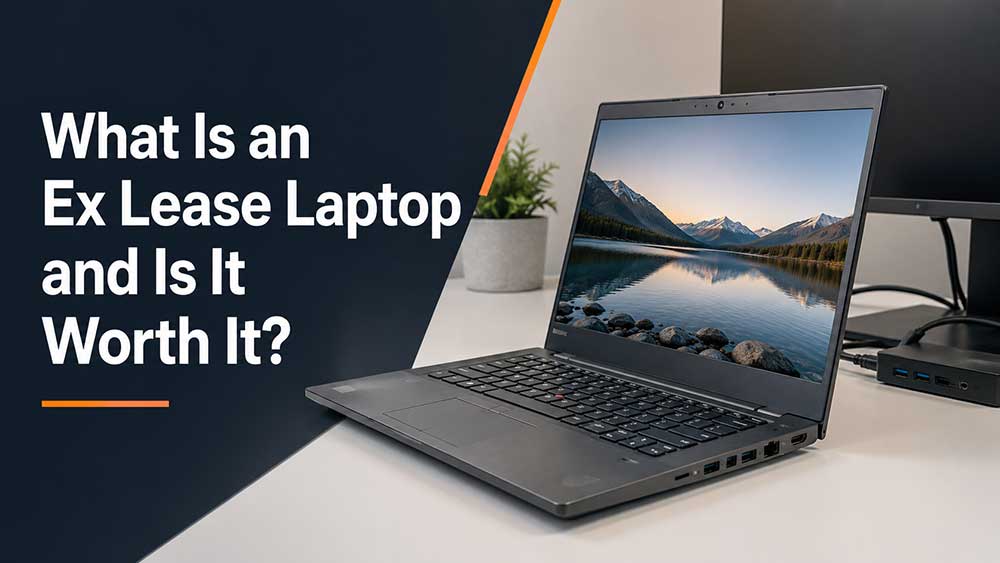
You can spend a lot on a brand-new laptop and still end up with a machine that feels flimsy after a year or two. That is why many buyers ask, what is an ex lease laptop, and why are so many businesses, students and home users choosing one instead of buying new.
An ex-lease laptop is a business-grade machine that was originally supplied to a company, school, government department or organisation under a lease agreement. Once that lease ends, the laptops are returned, checked, refurbished and resold. In practical terms, it means you are often buying a higher-spec commercial laptop for less than the price of a basic new consumer model.
What is an ex lease laptop?
A lease is simply a contract where a business uses IT equipment for a fixed period, usually two to four years, instead of owning it outright from day one. During that time, the laptops are generally used in office environments for email, web work, spreadsheets, video calls and business software.
When the lease period ends, those laptops come back into the supply chain. They are then assessed for condition, tested, cleaned, and prepared for resale. That is where the term ex-lease comes from. It does not mean old junk or faulty stock. It usually means the laptop has had a previous business life and is now being sold as refurbished hardware.
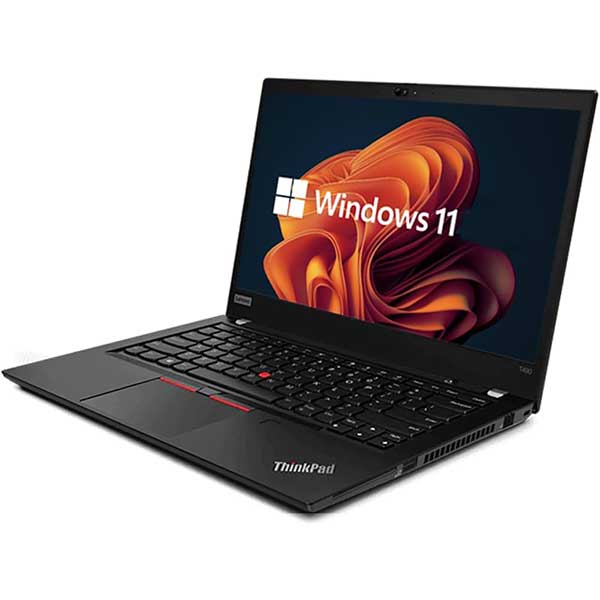
That detail matters because business laptops are built differently from many retail consumer models. Enterprise lines from Dell, HP and Lenovo are designed for daily use, easier servicing and longer working life. Hinges tend to be stronger, keyboards better, and chassis more durable. So when someone asks what is an ex lease laptop, the better answer is this: it is often a second-life business machine built to a higher standard than many cheap new laptops.
Why ex-lease laptops are so common
Large organisations refresh their fleets on a schedule. They do not always wait until devices fail. A company might replace 200 laptops simply because its lease has ended, because it is standardising hardware, or because it wants all staff on Windows 11-ready devices.
That creates a steady supply of used commercial laptops that still have plenty of life left in them. For buyers in New Zealand, this is one of the most practical ways to get reliable computing without stretching the budget.
It also explains why ex-lease stock often comes in business-friendly configurations. You will commonly see solid Intel processors, decent memory, SSD storage, webcams, USB-C ports and professional build quality. These are not random second-hand laptops from online classifieds. They are usually selected from known enterprise ranges with clear specs and predictable performance.
How an ex-lease laptop differs from a standard used laptop
Not every used laptop is ex-lease, and that difference is worth understanding.
A standard used laptop may have come from any previous owner. It could have been heavily used, poorly maintained, repaired with mixed parts or sold with little testing. You may not know the battery condition, whether the keyboard has issues, or if the software has been properly reset.
An ex-lease laptop is generally more consistent. Because it came from a managed fleet, the model history is easier to identify and the quality is often more predictable. When sold through a professional refurbished IT retailer, it should also be tested, cleaned and graded for condition. That extra process is what separates a proper refurbished ex-lease unit from a gamble on a peer-to-peer marketplace.
Why buyers choose ex-lease over new
The biggest reason is value. A new entry-level laptop can look attractive on price, but the internals and build quality are often cut down to meet that price point. Plastic construction, limited upgrade options, low-end screens and slower storage are common compromises.
With ex-lease, the trade-off is different. You are buying a machine that is not brand new, but it was usually a better laptop to begin with. A refurbished business laptop often gives you stronger day-to-day performance, better durability and more usable features for the same money.
For students, that can mean a device that handles schoolwork, browser tabs and video classes without frustration. For a small business, it can mean fitting out staff with dependable machines while keeping capital free for other priorities. For home users, it can simply mean getting something that works properly without paying for showroom shine.
Are there any downsides?
Yes, and it is better to be upfront about them.
An ex-lease laptop may show cosmetic wear. Light marks on the lid or palm rest are common. Battery health can vary depending on age and usage, although reputable sellers usually test batteries and note major issues. You also might not get the very latest processor generation or the thinnest design on the market.
That said, most buyers are not choosing ex-lease because they want the newest model. They want reliable performance at a sensible price. If your priority is practical use rather than bragging rights, those trade-offs are often easy to live with.
The real question is whether the condition and specification suit your needs. A buyer doing email, accounting software, study and web-based work has very different requirements from someone editing 4K video or gaming heavily. Ex-lease is excellent for many jobs, but not every job.
What to look for when buying an ex-lease laptop
The starting point is the specification, not just the price. Processor generation, RAM, storage type and screen size all matter more than a flashy product title.
For general work and study, an SSD is close to essential now. It makes the machine feel faster and more responsive than an older hard drive setup. Memory matters too. For basic use, 8GB RAM is a sensible floor, while 16GB is better for heavier multitasking and office use.
You should also check operating system support. Windows 11 readiness is a big one, especially for businesses and schools planning ahead. Ports matter more than many people expect as well. If you use external monitors, projectors, docking stations or wired accessories, make sure the laptop has the right connections.
Condition grading is another useful clue. A professionally refurbished seller should tell you whether the machine is in excellent, very good or fair cosmetic condition, and whether there are any known marks or wear. Clear grading is a good sign that the seller knows the stock properly.
Warranty also deserves attention. A warranty does not make a bad laptop good, but it does show confidence in the testing and refurbishment process. For many buyers, that support is one of the biggest differences between buying refurbished properly and buying used privately.
Who is an ex-lease laptop best for?
Ex-lease laptops suit buyers who care more about dependable performance than showroom condition. That covers quite a wide range.
Students are a strong fit because business laptops usually have solid keyboards, decent battery life and enough performance for assignments, web research and cloud-based learning. Parents often find they can buy a better-quality machine for school use without overspending.
Small businesses and remote workers also benefit. Ex-lease models are often built for exactly the kind of workload these users have – email, browser-based platforms, Microsoft Office, accounting software and video meetings. If you need several devices at once, the cost difference versus buying new can be significant.
They also make sense for home offices, reception desks, warehouse admin stations and spare machines kept on hand for staff or family use. In cities like Auckland, Wellington or Christchurch, where business costs add up quickly, stretching the IT budget further can make a real difference.
What is an ex lease laptop worth in real terms?
Worth depends on what you compare it to.
If you compare an ex-lease business laptop with a similarly priced new consumer model, the ex-lease option often wins on build quality and practical performance. If you compare it with a brand-new premium business laptop, the ex-lease model wins on price by a wide margin, but not on age or appearance.
That is why the smartest way to shop is by use case. If you need a dependable laptop for office work, study, browsing, MYOB, Xero, Teams or general daily use, ex-lease often hits the sweet spot. If you need specialised graphics power, all-day field battery life, or the latest AI-focused hardware, buying new may make more sense.
A good refurbished seller should help narrow that decision by being clear about specifications, condition and intended use. That is far more useful than a vague promise that the laptop is a bargain.
The bottom line for NZ buyers
For many New Zealand buyers, an ex-lease laptop is a practical way to buy smarter. You are not paying for new packaging, retail hype or features you may never use. You are paying for proven hardware, tested performance and a lower cost of ownership.
That is the appeal. A well-refurbished ex-lease laptop can give you business-grade reliability for work, study or home use without the sting of a new-device price tag. If you buy from a specialist that knows commercial hardware and stands behind what it sells, you are usually getting a machine chosen for how it performs, not just how it looks on a shelf.
If your goal is simple – spend less, get more, and avoid rubbish hardware – ex-lease is well worth a serious look.


