




General
Are Refurbished Laptops Worth It?
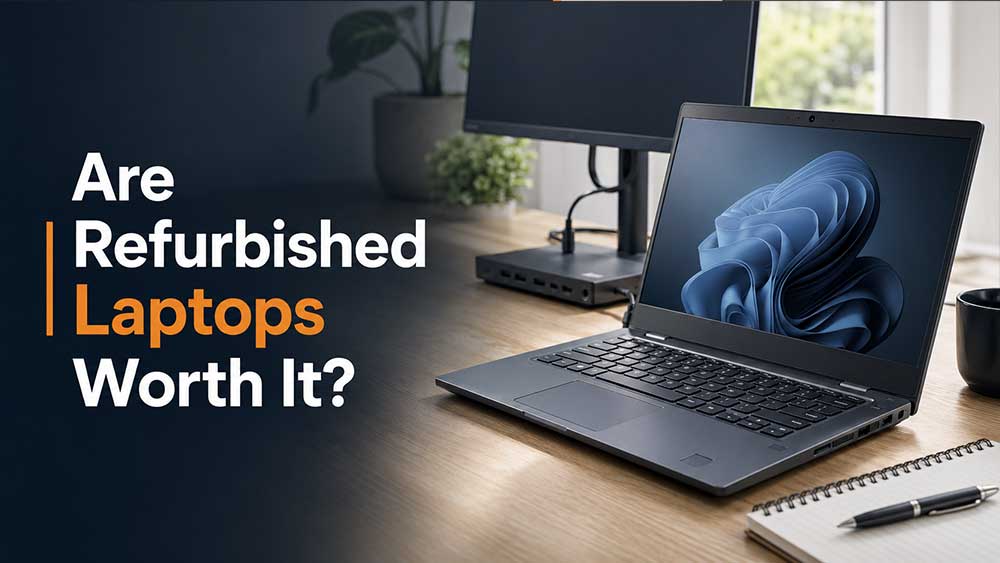
Paying $1,500 or more for a laptop that will mostly handle email, spreadsheets, study, video calls and web browsing does not make much sense for a lot of buyers. That is why people keep asking, are refurbished laptops worth it? In many cases, yes – especially if you buy professionally refurbished business-grade models that have been tested, cleaned and sold with clear specs and warranty support.
The short answer, though, is not that every refurbished laptop is automatically a good deal. It depends on what you need, who refurbished it, the age of the machine, and whether the hardware is still fit for current software like Windows 11. A cheap laptop is only good value if it is reliable enough to do the job for more than a few months.
Are refurbished laptops worth it for everyday buyers?
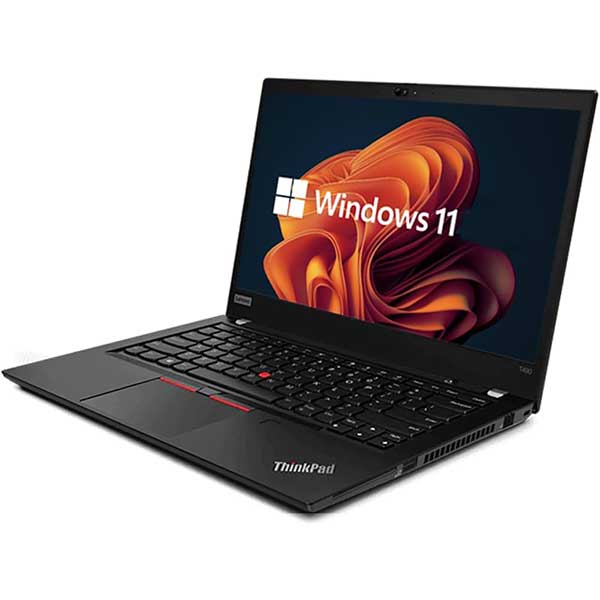
For most students, home users, remote workers and small businesses, refurbished laptops are often the smarter buy. The main reason is simple: business laptops are usually built better than entry-level consumer models. An ex-lease Dell Latitude, HP EliteBook or Lenovo ThinkPad was designed for daily office use, regular travel, docking stations, and years of work. That matters.
When those machines come off lease, they still often have plenty of life left in them. After proper testing and refurbishment, they can deliver dependable performance for routine tasks at a much lower price than new. If your priority is practical performance rather than owning the latest model, refurbished usually stacks up well.
This is where many buyers get caught out comparing the wrong products. They look at a refurbished premium business laptop and compare it with a cheap brand-new retail laptop at a similar price. On paper, both may seem close. In real use, the business laptop often feels better built, has a stronger keyboard, better chassis quality, more upgrade options, and more sensible ports.
What you are really paying for
Buying new often means paying a premium for current-generation branding, thinner designs, and features you may not actually need. Buying refurbished shifts the focus back to value. You are paying for usable performance, proven hardware and a lower replacement cost.
That is especially useful for schools, growing businesses and families buying more than one device. If you need a fleet of laptops for staff or students, the savings add up quickly. It can be the difference between stretching the budget too far and getting devices that are actually fit for purpose.
There is also less financial pain if a machine gets damaged or needs replacing later. For school BYOD, mobile staff, or shared office setups, that lower upfront cost matters.
The biggest advantages of refurbished laptops
The strongest case for refurbished laptops comes down to three things: price, build quality and suitability.
Price is the obvious one. A professionally refurbished laptop can cost substantially less than a new equivalent, while still offering solid specs such as an Intel Core i5 or i7 processor, SSD storage, and enough RAM for everyday work.
Build quality is where refurbished business laptops often stand out. Enterprise models are designed for heavier use than many consumer laptops sold in big-box retail channels. They are generally made to survive commuting, office handling and full workdays. That does not make them indestructible, but it does make them a better long-term proposition than many low-cost new machines.
Suitability is the part buyers should think about more carefully. A refurbished laptop is not trying to be everything to everyone. It is usually at its best for office work, school tasks, bookkeeping, browser-based systems, email, video meetings and admin. If that is your workload, the value can be excellent.
Where the trade-offs are real
Refurbished is not perfect, and pretending otherwise helps no one.
Battery life may not match a brand-new device, even after testing. Cosmetic wear is also normal. You might see light marks on the lid, keyboard shine, or other signs of previous use. For many buyers, that is a fair trade for a lower price. For others, especially those wanting a spotless gift or premium personal device, it may matter more.
You are also less likely to get the latest design trends. Refurbished business laptops are usually practical rather than flashy. They tend to prioritise ports, durability and serviceability over ultra-thin styling.
Then there is performance ceiling. If you need advanced gaming, heavy video editing, 3D rendering or high-end creative workloads, a refurbished office laptop may not be the right fit. Some higher-spec refurbished mobile workstations can handle demanding tasks, but the average ex-lease machine is not built for top-tier graphics work.
How to tell if a refurbished laptop is actually worth it
Not all refurbished stock is equal. The quality of the seller matters as much as the quality of the laptop.
A worthwhile refurbished laptop should come with clear specifications, an honest condition description, and testing that covers the essentials – keyboard, screen, ports, storage, battery, Wi-Fi and charging. If the listing is vague, that is usually a warning sign.
You also want to know whether the machine is business-grade and whether it suits current software requirements. Windows 11 readiness is a good example. Plenty of older laptops still work fine for basic tasks, but not every older machine makes sense as a buy going forward. If you want longer useful life, support for current operating systems matters.
Warranty is another big factor. A refurbished laptop sold with proper local support is a very different proposition from taking a punt on an unknown seller through a marketplace listing. The cheaper price on a random listing can disappear fast if the laptop arrives with hidden faults.
Are refurbished laptops worth it compared with buying new?
This depends on what kind of new laptop you are comparing them with.
If your budget stretches to a high-quality new business laptop, then new gives you a full manufacturer lifecycle, the latest hardware, fresh battery performance and pristine condition. For some buyers, especially those with very specific software needs or longer procurement cycles, that can make sense.
But if the real alternative is a lower-end new consumer laptop, refurbished often wins on practical value. Many cheap new laptops cut corners on screens, keyboards, hinges, storage speed and overall durability. They may be new, but they are not always better.
That is why refurbished business-grade stock appeals to so many New Zealand buyers. It gives people access to better-quality hardware without paying premium new-device pricing. For office users in Auckland, students in Hamilton, or home workers in Christchurch, that equation is easy to understand: spend less, get a machine built for real work.
Who should buy refurbished laptops?
Refurbished laptops make the most sense for buyers who care more about reliability and price than showroom condition.
Students are a strong fit because they need capable devices for research, assignments, video calls and browser-based learning, not expensive status items. Parents also tend to prefer a lower replacement cost if a school bag gets dropped.
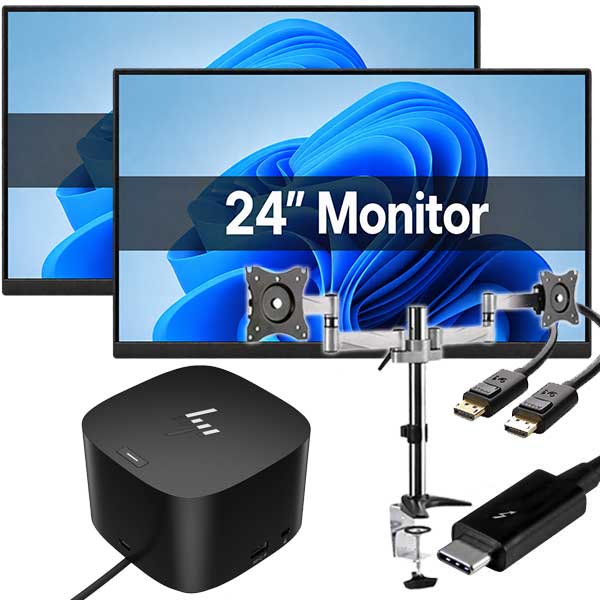
Small businesses are another obvious fit. If you are replacing multiple staff devices, setting up a new office, or adding remote workers, refurbished can free up budget for monitors, docks and accessories instead of swallowing it all on laptops.
They also suit everyday home users who want something dependable for banking, email, streaming and admin without overspending. For this type of use, many professionally refurbished systems hit the sweet spot.
Who should probably buy new instead?
If you need the latest battery efficiency, cutting-edge processors, very light travel hardware, or specialist performance for design and engineering work, buying new may be the better call.
The same applies if appearance is a top priority. Refurbished devices are sold for value, not perfection. Even well-presented stock may show minor signs of previous use.
And if you expect a laptop to last many years under heavy future software demands, you may want newer hardware headroom from the start. Refurbished can still work in that scenario, but you need to choose carefully rather than just buying on price.
The bottom line on value
So, are refurbished laptops worth it? If you buy from a reputable refurbished IT specialist and choose a machine that matches your actual workload, they often represent some of the best value in the market.
You are not buying hype. You are buying tested, business-ready hardware that can still do a serious job at a far more sensible price. That is why refurbished continues to make sense for schools, offices, remote workers and budget-conscious households across New Zealand.
If you treat it as a practical purchase rather than an emotional one, a refurbished laptop can be the kind of buy you feel good about long after checkout – because it simply gets on with the job.


