




General
Choosing a Windows 11 Compatible Desktop
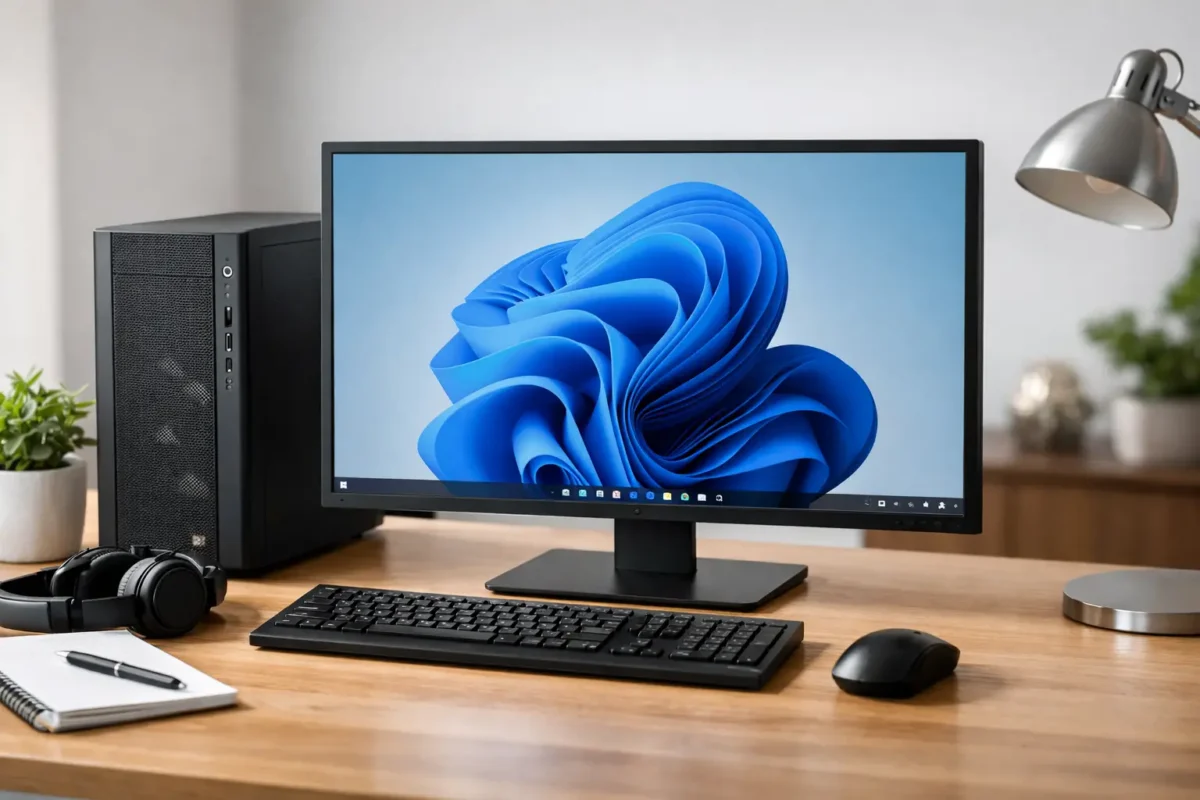
A cheap desktop is only good value if it can keep doing the job for the next few years. That is why choosing a Windows 11 compatible desktop matters more than simply finding the lowest price. For home offices, students, schools and small businesses, the right refurbished business PC can provide dependable performance, proper security features and a practical path forward without the cost of buying new.
Windows 10 support ended in October 2025, so older machines that cannot run Windows 11 are becoming harder to justify for everyday work. A professionally refurbished desktop that meets the requirements gives you a supported operating system, current security updates and a machine that is ready for email, documents, video calls, web-based systems and office software.
What makes a desktop Windows 11 compatible?
Windows 11 has stricter hardware requirements than earlier versions of Windows. This catches out many otherwise capable older PCs. A machine may still turn on quickly and run basic programmes, but that does not automatically mean it is officially supported for Windows 11.
The main requirements are a supported 64-bit processor, at least 4GB of RAM, 64GB of storage, UEFI firmware with Secure Boot capability, TPM 2.0 and a graphics system compatible with DirectX 12. For most buyers, processor generation and TPM 2.0 are the key checks.
As a practical rule, look for an Intel 8th Generation Core processor or newer. Intel Core i5 models from the 8th Generation onwards are a particularly strong option for general office and study use. On the AMD side, Ryzen 2000 series processors and newer are generally the starting point for supported systems.
There are exceptions, and official compatibility can depend on the exact processor model and system configuration. That is why clear specifications matter. A seller should state the processor, RAM, storage and operating system rather than relying on vague terms such as “fast PC” or “Windows-ready”.
TPM 2.0 and Secure Boot in plain English
TPM stands for Trusted Platform Module. It is a security feature that helps protect credentials, encryption keys and other sensitive information. TPM 2.0 is required by Windows 11, but it is often built into the motherboard or firmware rather than being a separate part you can see.
Secure Boot helps prevent untrusted software from loading during start-up. On many business desktops, both TPM 2.0 and Secure Boot are available but may need to be enabled in BIOS settings. A properly prepared Windows 11 system should have these settings checked before it is supplied.
Why ex-lease business desktops make sense
Business-grade desktops from Dell, HP and Lenovo are built for commercial environments where reliability, serviceability and consistent performance matter. Companies commonly replace fleets after a set lease period, even when the PCs still have plenty of useful life left. That creates a sensible buying opportunity for households, schools and growing businesses.
A refurbished business desktop is not the same as an old, untested PC pulled from a cupboard. When professionally refurbished, it has been assessed, cleaned, tested and prepared for resale. You get proven hardware from recognised enterprise brands, usually with better build quality and more practical upgrade options than a low-cost consumer desktop.
For a business purchasing several machines, standardising on one model range can also make life easier. Power supplies, monitor connections, drivers and replacement parts are more consistent. For a family buying one machine, the benefit is simpler: you can get a capable desktop with an SSD and a supported processor for far less than an equivalent new system.
NZ Laptop Wholesale focuses on these reliable ex-lease machines because they suit real-world needs: office work, school assignments, remote access, point-of-sale tasks and everyday home computing.
Choosing the right Windows 11 compatible desktop for your work
The best specification depends on what you actually do each day. Paying for power you will never use is not good value, but buying too little can lead to slow performance and an earlier replacement.
Everyday home use and student work
For browsing, online learning, Microsoft 365, emails, assignments and video calls, an Intel Core i5 8th Generation desktop with 8GB of RAM and a solid-state drive is a sensible baseline. A 240GB or 256GB SSD is enough for many users who mainly store files in cloud services, while 500GB gives more room for photos, downloads and applications.
Avoid systems that still use a mechanical hard drive as their only storage. They may offer plenty of capacity, but they feel noticeably slower when starting Windows, opening software and switching between tasks. An SSD makes one of the biggest day-to-day differences you can get from a desktop upgrade.
Office teams and remote workers
For spreadsheets, accounting software, browser tabs, Teams meetings and multiple applications open at once, choose 16GB of RAM where the budget allows. It gives staff more breathing room and helps prevent the slowdowns that occur when memory is stretched.
An Intel Core i5 is usually the value sweet spot. Core i7 models can be worthwhile for heavier spreadsheet work, large databases, frequent multitasking or users who keep many programmes running. For standard administration, invoicing and web applications, a good i5 with 16GB RAM and an SSD is often the more sensible purchase.
Dual-monitor office setups
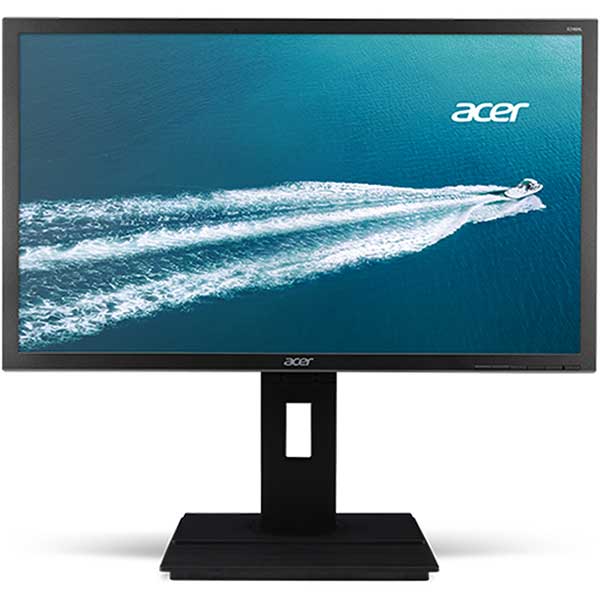
Two monitors can make a major difference to productivity for administration, customer service, bookkeeping and remote work. Before ordering a desktop, check the display outputs. Common connections include DisplayPort, HDMI, DVI and VGA, but the ports on the desktop need to suit the monitors you plan to use.
Many compact business desktops support two displays, but not every configuration does so in the same way. Some require a DisplayPort adaptor, while others have optional video ports. Check the exact model and outputs rather than assuming any desktop will run a dual-screen setup.
Specialist and demanding workloads
A standard business desktop is ideal for productivity work, but it has limits. Video editing, 3D design, modern gaming, advanced CAD and other graphics-heavy tasks may require a dedicated graphics card, more storage and a higher-powered processor. Small-form-factor desktops are tidy and space-saving, though their compact cases can limit graphics upgrades.
If you need those workloads, consider a full-size tower with expansion room. It may cost more upfront, but it is better suited to additional drives, larger graphics cards and future upgrades. The right choice depends on the software, not just the Windows 11 label.
Form factor matters more than many buyers expect
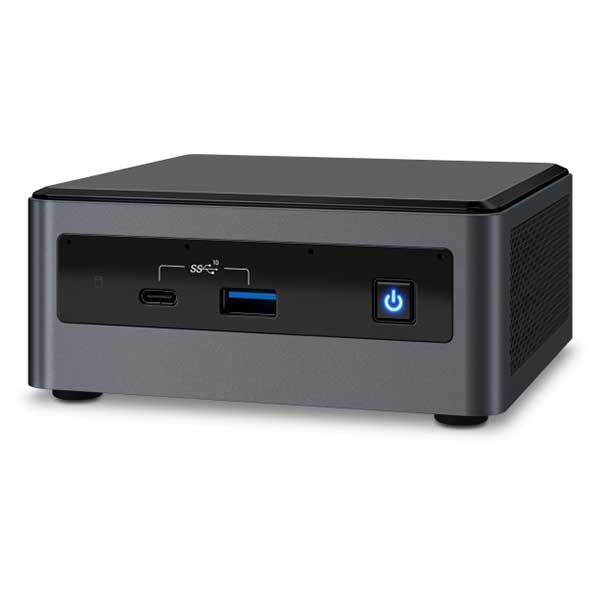
Desktop PCs come in several sizes. Ultra-small or mini desktops fit neatly behind a monitor or under a counter and are excellent for reception areas, home offices and space-conscious desks. Small-form-factor models offer a balance between a compact footprint and useful connectivity. Tower desktops take up more room but are usually easier to upgrade.
Think about where the machine will sit, how many monitors and USB accessories you use, and whether you may need more storage later. A compact desktop is a smart choice when the specification already meets your needs. A tower is the safer option when flexibility matters.
Also consider Wi-Fi. Some refurbished desktops include built-in wireless networking, while others are designed to use a wired Ethernet connection or need a Wi-Fi adaptor. Wired networking is often best for a fixed office desk, but built-in Wi-Fi is useful where the router is not nearby.
Check these details before you buy
A Windows 11 compatible desktop should be judged on more than the processor name. Read the full specification and confirm the installed RAM, SSD capacity, monitor outputs, operating system edition and included accessories. A desktop package may not include a monitor, keyboard, mouse or Wi-Fi adaptor unless this is clearly stated.
Condition is worth checking as well. Refurbished equipment can show minor cosmetic marks from previous use, particularly on cases, but these should not affect performance. What matters most is that the machine has been professionally tested and prepared, with clear condition information and warranty coverage.
For business buyers, confirm whether the PC is supplied ready to use with Windows installed. This avoids wasting staff time setting up an operating system, sourcing drivers or discovering a compatibility issue after delivery. It is also worth checking the number of USB ports, as webcams, printers, keyboards, storage drives and headsets can quickly use them up.
Don’t confuse bypassed installs with compatibility
It is possible to install Windows 11 on some unsupported older PCs by bypassing hardware checks. That may appear to save money, but it is not the same as owning a compatible system. Updates, driver support and long-term reliability are less certain, and the time spent troubleshooting can quickly outweigh the initial saving.
For a home machine used occasionally, that risk may be acceptable to a confident technical user. For a school device, work PC or business fleet, officially supported hardware is the more dependable choice. It keeps the purchase straightforward and reduces avoidable support issues later.
A well-chosen refurbished desktop should feel like a practical upgrade, not a compromise. Start with a supported processor, add enough memory for the way you work, choose SSD storage and make sure the ports suit your desk. That approach gives you a machine that is ready for Windows 11 and ready to earn its place on your workspace.


