




General
Sustainable IT Procurement That Saves More

Replacing a staff laptop fleet does not have to mean ordering the newest model, paying top dollar, and sending still-usable devices to recycling. Sustainable IT procurement is a more practical approach: buy equipment that suits the job, keep it working for longer, and make responsible choices when it reaches the end of its useful life.
For New Zealand schools, small businesses, remote teams and households, sustainability and value often point in the same direction. A professionally refurbished business laptop can cost less than a new consumer model while offering the build quality, ports and performance needed for everyday work. The key is to buy with a clear plan rather than treating IT as a series of urgent replacements.
What sustainable IT procurement really means
Sustainable procurement is not simply choosing a device with recyclable packaging or a lower-power charger. Those things help, but the biggest environmental impact of a computer often happens before it reaches the desk. Manufacturing laptops, desktops and monitors requires raw materials, energy, transport and complex global supply chains.
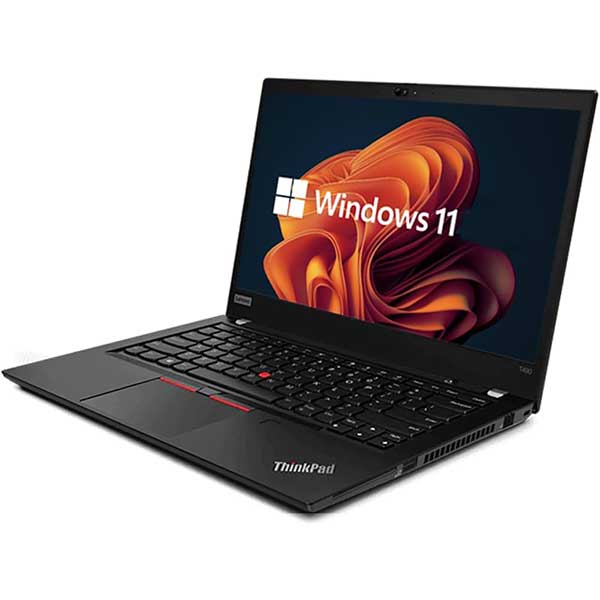
Extending the useful life of quality hardware reduces the need for a newly manufactured replacement. That is why refurbished ex-lease equipment deserves a serious place in a purchasing policy. Enterprise-grade Dell, HP and Lenovo machines are commonly built for several years of regular office use. Once they return from a corporate lease, they can be professionally tested, cleaned, repaired where needed and prepared for a second working life.
Sustainable IT procurement also means avoiding false economy. The cheapest device is not always the best-value option if it has limited memory, poor battery health, no warranty or insufficient support for current software. A device that needs replacing after a short period creates more cost, more downtime and more e-waste.
Start with the work, not the specification sheet
A sustainable purchase begins by defining what people actually need to do. A staff member working mainly in browser-based systems, email and documents has different requirements from a designer, developer or accounts team running large spreadsheets across two screens.
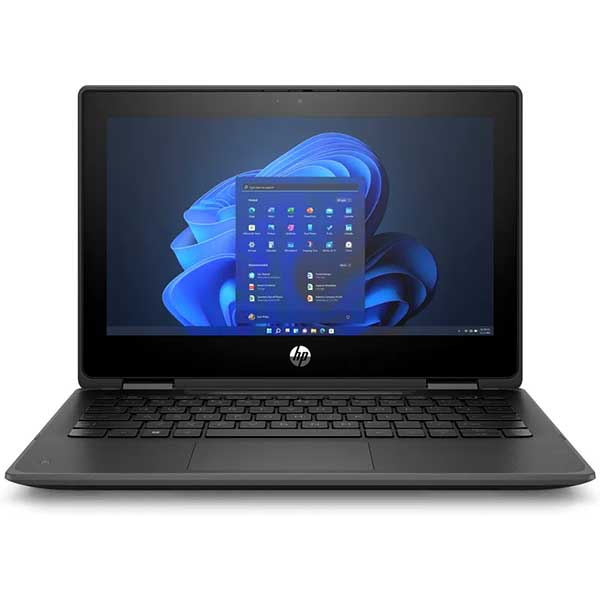
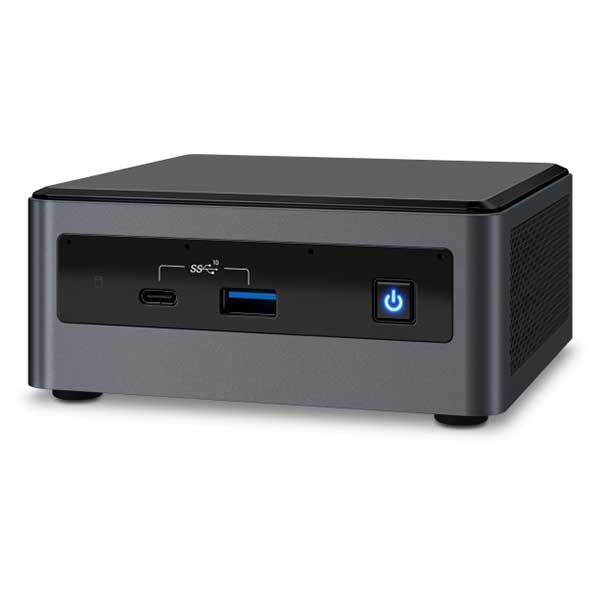
For students, a compact Windows 11-ready laptop or Chromebook may be the right fit. For a home office, a refurbished business laptop paired with a dock and external monitor can be a better long-term setup than trying to work from a small screen alone. For a shared office, compact business desktops can provide straightforward performance, easier cable management and good value when several stations need upgrading at once.
This assessment stops overbuying. High-end processors and large amounts of RAM are worthwhile where workloads demand them, but they add cost and can leave organisations with hardware capability they never use. Buying fit-for-purpose equipment is both financially sensible and less wasteful.
Build a minimum standard
Set a practical baseline before comparing stock. For many general business and study users, that might include a supported operating system, a solid-state drive, enough RAM for multitasking, a webcam where video calls matter, and the right connections for existing screens and accessories.
Windows 11 readiness is particularly relevant for buyers replacing older machines. It is worth checking processor compatibility, TPM support and the available storage and memory rather than assuming every older laptop can make the transition. A clear standard makes it easier to compare refurbished options fairly and prevents a mixed fleet becoming difficult to manage.
Make refurbished equipment part of the plan
Buying refurbished does not mean accepting unknown condition or compromised reliability. The supplier and refurbishment process matter. Look for clear specifications, transparent condition information, tested functionality and warranty details. Business-grade ex-lease equipment is generally a stronger starting point than lightly specified consumer hardware because it was designed for frequent professional use.
There are sensible trade-offs. A refurbished laptop may have cosmetic marks from normal use, and the newest ports or latest processor generation may not be available at every price point. In return, buyers can often access a better class of chassis, keyboard, docking support and serviceable design than a similarly priced new device.
Battery condition needs special attention for mobile users. A desktop replacement laptop used mostly at a desk may be perfectly suitable with moderate battery wear. A student carrying their device between classes or a salesperson working away from power will need stronger battery performance. Ask the question before purchase, not after deployment.
NZ Laptop Wholesale focuses on professionally refurbished, business-ready equipment because reliable second-life hardware gives buyers a realistic way to reduce spend and avoid unnecessary new-device purchasing.
Extend the life of the devices you already own
The most sustainable computer is often the one already in service, provided it remains secure and capable. Before replacing a fleet, review what can be upgraded or reassigned. Adding RAM or moving from an older hard drive to an SSD can make a noticeable difference for suitable machines. A device that no longer suits a power user may still be useful for reception, training, shared access or basic administration.
This does not mean keeping old equipment indefinitely. If a machine cannot run supported software, has recurring faults, creates security risks or regularly disrupts staff work, replacement may be the responsible choice. Sustainability is about useful life, not forcing people to struggle with outdated tools.
A simple asset register helps organisations make better calls. Record purchase date, model, serial number, user, warranty status, repair history and likely replacement timeframe. This turns procurement from a last-minute reaction into a planned cycle, making it easier to consolidate orders and allocate devices where they add the most value.
Consider the whole setup, not just the laptop
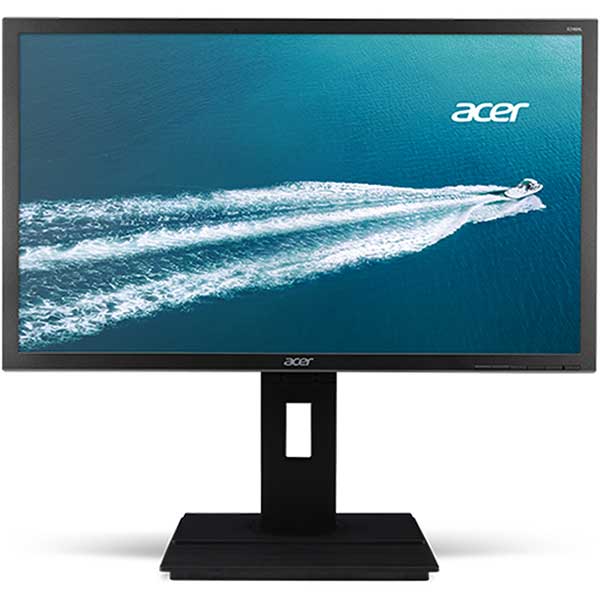
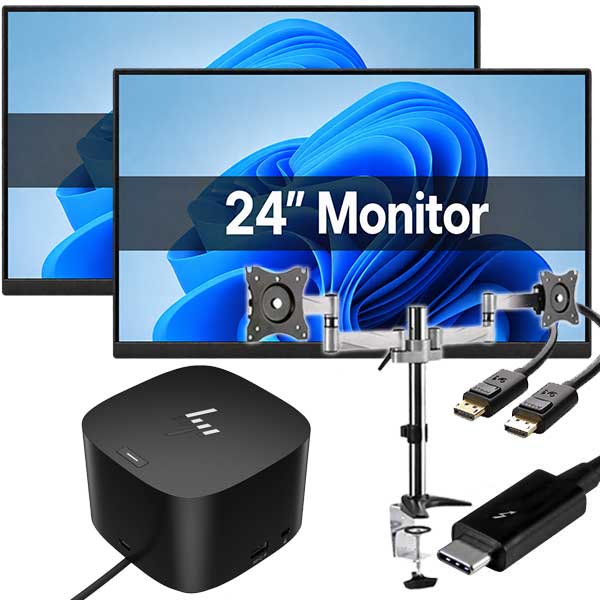
A laptop purchase can create unnecessary waste when essential accessories are overlooked. If users need external screens, wired networking, extra USB ports or charging at a desk, choose compatible docking stations and monitors from the start. A proper dock can reduce wear on laptop ports and make hybrid work easier, while a dual-monitor setup can improve productivity for many office roles.
Compatibility matters here. Check display outputs, USB-C charging capability, monitor resolution, cable requirements and whether an existing dock works with the chosen device. Reusing suitable peripherals is preferable, but only when they are reliable and compatible. Persisting with failing screens, damaged chargers or unsuitable cables can create more frustration than savings.
Energy use should be considered in context. Modern hardware can be more efficient, yet replacing a working device solely for a small power-saving gain may not stack up once manufacturing impact is included. For always-on desktops, servers or large monitor fleets, power consumption may carry more weight. For a modest laptop fleet used during business hours, extending a quality device’s life can be the stronger overall decision.
Plan for secure reuse and responsible retirement
A sustainable IT procurement policy needs an end-of-life process from the beginning. Devices hold business files, customer information, school records and saved passwords. They should never be passed on, sold or recycled without secure data removal.
Set a process for backing up files, signing out of accounts, removing management profiles and securely wiping storage. If drives are faulty or cannot be reliably wiped, physical destruction or a specialist data-destruction service may be appropriate. Keep records of asset disposal, especially for business and education environments with privacy obligations.
After data has been handled properly, consider the best next use. A working device may be refurbished, resold, donated or repurposed. Equipment that genuinely cannot be reused should go through an appropriate e-waste channel rather than general rubbish. Batteries, chargers and electronics contain materials that need specialist handling.
Set purchasing measures that people can follow
A policy only works if it is usable by the person ordering equipment. Keep the criteria clear: buy fit-for-purpose models, prefer tested refurbished business hardware where appropriate, use supported operating systems, retain devices while they remain secure and productive, and arrange secure reuse or recycling at retirement.
Track a few useful measures over time, such as average device age at replacement, refurbishment versus new purchases, repair costs, device downtime and the number of assets reused. These figures reveal whether the policy is saving money as well as reducing waste. They can also show when a particular model or configuration is causing repeated support issues.
There will be times when buying new is the right decision. Specialist software, demanding graphics work, long battery requirements, manufacturer support rules or a major technology change can justify it. Sustainable buying is not about refusing new hardware. It is about making each purchase deliberate, proportionate and suited to the work ahead.
The best result is a fleet that people can depend on, budgets can support and organisations can manage responsibly. Start with the next replacement order: assess the role, choose quality that will last, and give proven business hardware a useful second life.


