




General
Laptop vs Tablet Study: Which Device Fits?

A device that feels great for watching lessons can become frustrating when an assignment is due at 11 pm. That is the real issue behind the laptop vs tablet study decision. Students need more than a screen for reading notes – they need a dependable way to research, write, submit work and stay organised through the school year.
For many New Zealand families, budget matters just as much as performance. A professionally refurbished business laptop can cost less than a new tablet with a keyboard and still offer better typing, file management and software compatibility. The right choice depends on the student’s age, subjects and the work they are expected to complete.
Laptop vs tablet study: start with the actual workload
A tablet is a capable study device when the workload centres on reading, annotating PDFs, watching recorded lessons and taking handwritten notes. It is light in a school bag, starts quickly and usually delivers all-day battery life. For a younger student using browser-based learning platforms, a tablet can be simple and less intimidating than a full computer.
The limits show up when work becomes more demanding. Long essays, research projects with multiple sources, spreadsheets, coding tasks, presentations and file uploads are usually easier on a laptop. A physical keyboard, larger display and proper desktop browser make a noticeable difference when students need to work efficiently rather than just consume information.
This is especially relevant at secondary school and university. Teachers may provide Word documents, Excel files, specialist applications or online portals that work best on Windows or ChromeOS. A device that technically can open a file is not always a device that makes completing the task easy.
Why laptops remain the practical all-rounder
A laptop is generally the safer single-device purchase for study because it handles the widest range of tasks. Students can type comfortably, run several programs at once, use full web versions of learning sites and manage downloaded files without workarounds. It also works naturally with printers, external monitors, USB drives and classroom accessories.
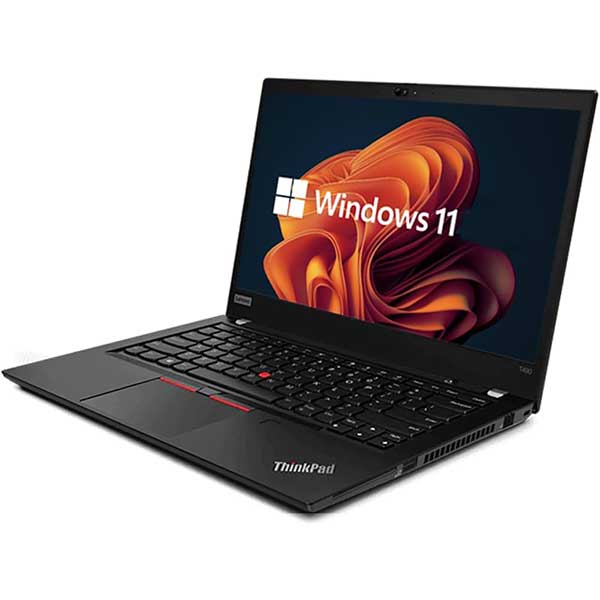
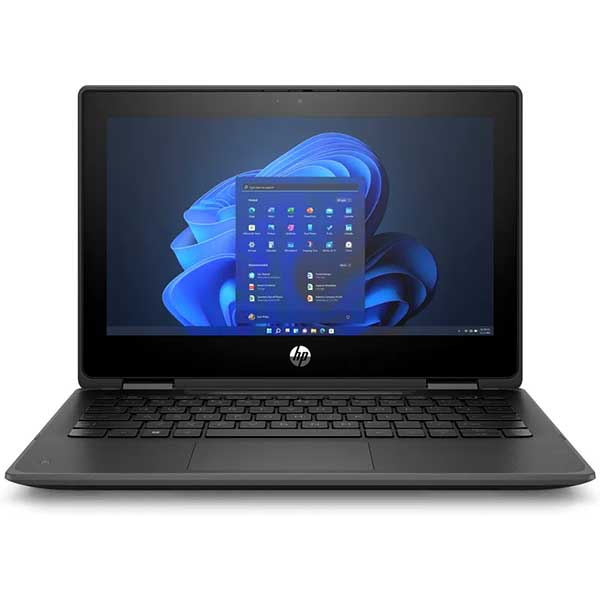
Business-grade laptops are particularly well suited to student life. Models from Dell, HP and Lenovo were built for regular workplace use, so they commonly offer stronger hinges, better keyboards and more serviceable designs than many entry-level consumer devices. Refurbished ex-lease units can give students access to this quality at a more sensible price point.
For written work, keyboard comfort matters more than it first appears. A student writing a 200-word response may be happy on a tablet screen. A student writing a 2,000-word assessment, editing references and switching between research tabs will appreciate a proper keyboard and trackpad. The difference is not just speed – it is reduced fatigue and fewer avoidable mistakes.
Laptops also provide more storage flexibility. Coursework builds up quickly: PDFs, slide decks, photos, recorded presentations and downloaded resources all take space. With a laptop, students can organise folders clearly, back up work to cloud storage and keep local copies where needed.
The laptop specifications that matter for students
Students do not necessarily need a brand-new high-performance machine. For most school and university study, a refurbished laptop with an Intel Core i5 processor, 8GB of RAM and a solid-state drive is a strong starting point. This level of hardware handles web research, Microsoft Office, video calls and everyday multitasking comfortably.
A 13-inch or 14-inch model suits students carrying a device between classes, home and the library. A 15-inch screen can be more comfortable for spreadsheets or split-screen work, although it adds bulk. Battery condition should also be considered with refurbished hardware, particularly if the student will be away from a power point for most of the day.
Windows 11 readiness is worth checking before purchase. It helps ensure the device remains compatible with current software and security updates, rather than becoming a short-term solution that needs replacing too soon.
When a tablet is the better study choice
A tablet can be the right answer when portability and touch input are the priority. It is particularly useful for students who prefer to write directly on digital worksheets, highlight textbooks or sketch diagrams. Subjects involving visual design, music notation, maths working or science diagrams can benefit from a stylus and a responsive screen.
Tablets are also useful companions for students who already have access to a family computer or school laptop. In that situation, the tablet does not need to do every task. It can be used for note-taking, reading and revision, while the larger computer handles major assignments.
The problem comes when buyers assume a tablet and a laptop are interchangeable. Adding a keyboard case, stylus, larger storage option and suitable apps can increase the total cost quickly. Even then, some school portals, desktop applications and complex document layouts may remain awkward on a tablet operating system.
A tablet is best viewed as a focused tool rather than an automatic laptop replacement. It excels at portable learning and handwritten work. It is less convincing as the only device for a student who must regularly create substantial documents or use specialist software.
Consider school requirements before buying
Before choosing either option, check the school’s BYOD requirements. Some schools specify minimum screen sizes, operating systems or keyboard expectations. Others use web-based platforms that run well on almost any current device, but may still recommend laptops for senior students.
University courses can be more specific. Engineering, architecture, design, programming, accounting and data-focused courses may require applications that are not practical on a basic tablet. Even courses without specialist software often involve frequent report writing, online research and presentations, making a laptop the more efficient option.
Parents should also consider how the student will use the device outside class. If it will be shared at home for printing, job applications, online forms and general household tasks, a laptop delivers more long-term value. A reliable device should fit the student’s full routine, not only the first term of study.
Cost, durability and the refurbished advantage
The cheapest upfront option is not always the most affordable over time. A low-cost tablet may look appealing, but accessories and limited capability can lead to a second purchase later. Likewise, a very cheap laptop with slow storage or insufficient memory can become frustrating well before the school year ends.
A quality refurbished laptop offers a practical middle ground. It gives students business-ready construction and capable specifications without the price of a comparable new model. At NZ Laptop Wholesale, professionally refurbished ex-lease laptops are tested and selected for real study, work and everyday use – not just for a tempting price tag.
Condition should be understood clearly when buying refurbished. Cosmetic marks may be reasonable on a value-focused device, provided the screen, keyboard, ports, charger and core performance have been checked. Warranty coverage adds confidence, especially for parents and students who need a device they can rely on during assessment periods.
Make the decision based on the next two years
For primary students completing light browser work, reading and simple learning activities, a tablet may be enough if the school supports it. For most secondary school, tertiary and adult learners, a laptop is the more flexible choice. It supports the work students are doing now and the more demanding tasks likely to arrive later.
If handwriting, reading and portability are central to the learning style, a tablet has genuine strengths. If the student needs to write often, manage files, join video calls, research properly and use a broad range of software, choose the laptop first. A dependable refurbished business laptop is rarely the flashy option, but it is often the device that is still doing the job when deadlines become serious.


