




General
School Device Procurement Guide for NZ Schools

A device programme can look affordable on paper, then become expensive once chargers disappear, batteries weaken, software will not run, and staff spend their afternoons fixing preventable issues. A good school device procurement guide starts with the learning environment, not a spreadsheet full of model numbers.
For New Zealand schools, the best choice is rarely the newest device or the lowest advertised price. It is the device fleet that students can use reliably, teachers can manage easily, and the school can replace without blowing the budget. That usually means setting a clear standard, buying fit-for-purpose business-grade hardware, and planning for the full working life of every device.
Start with how devices will actually be used
Before requesting quotes, separate the jobs devices need to do. A Year 4 student using browser-based learning tools has different requirements from a senior student editing video, learning coding, or running specialised Windows software. Teachers, administration staff and technology classrooms may need different specifications again.
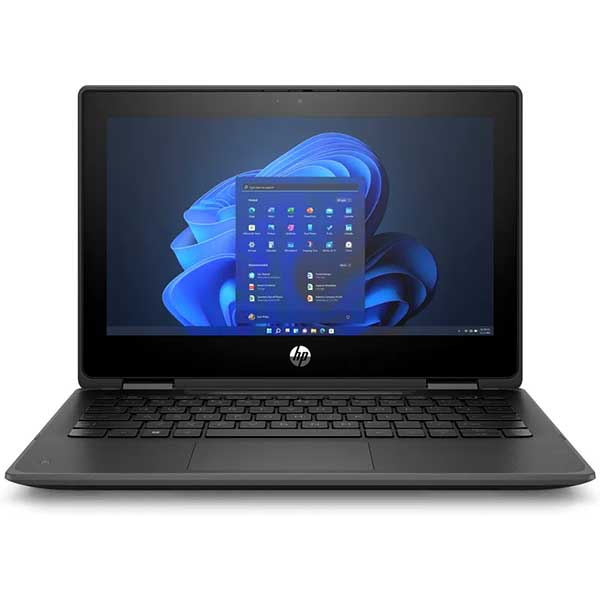
Chromebooks are often a sensible option where most work happens in a browser and Google Workspace is already established. They are straightforward to manage, quick to start, and usually offer solid battery life. A Windows laptop is the better fit where students need desktop applications, particular assessment software, Microsoft-based workflows, or more local storage and processing power.
Do not assume one device type must suit every person. A mixed fleet can be practical when it is intentional. For example, standard Chromebooks may cover junior classrooms while a smaller pool of Windows laptops supports senior subjects, staff and specialist programmes. The trade-off is that two platforms require clearer support processes and staff familiarity.
Set a minimum standard before comparing prices
A written minimum specification keeps procurement fair and prevents cheap devices with short usable lives entering the fleet. It also gives suppliers a clear brief. The standard should be based on the applications students use now, plus reasonable headroom for the next few years.
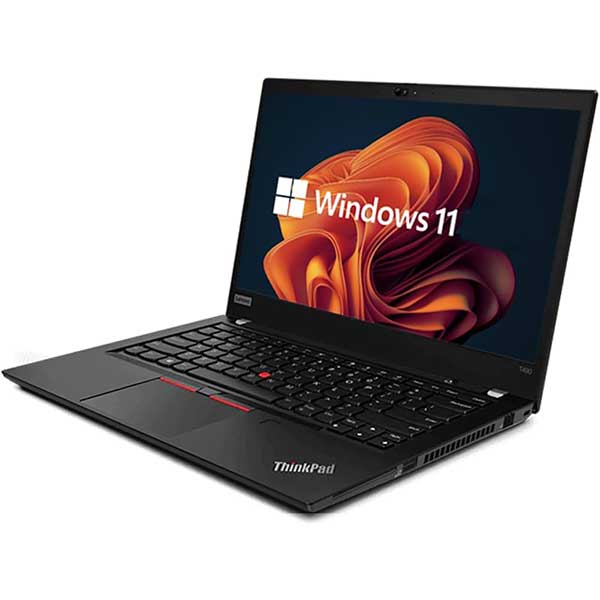
For a typical Windows student laptop, look for a modern Intel Core i5 or comparable processor, 8GB of RAM as a practical minimum, and a solid-state drive rather than an older mechanical hard drive. A 13- or 14-inch screen is generally easier for students to carry than a larger machine, while still being comfortable for everyday work. Integrated webcams, Wi-Fi capability, a working charger and sufficient USB ports should be treated as essentials, not extras.
For Chromebooks, check the supported update period, memory, storage, keyboard condition and battery performance. A Chromebook that is inexpensive but near the end of its automatic update support is poor value for a school programme.
The physical specification matters as much as the internal one. Business-grade Dell, HP and Lenovo laptops are built for regular transport and daily use. They commonly have stronger hinges, better keyboards and more serviceable designs than entry-level consumer devices. For students moving between home and school, that durability can reduce replacement costs over time.
Build the real cost into the school device procurement guide
The purchase price is only one part of the cost. Schools should calculate the likely cost per student over the planned replacement cycle, including setup, cases, chargers, licences, management tools, repairs, spare units and disposal or resale.
A low-cost device can become the costly option if it needs replacing after two years, has poor battery health, or cannot run the required software. Conversely, a professionally refurbished ex-lease business laptop may offer a stronger chassis, better components and useful remaining life at a far lower price than a comparable new machine.
Refurbished does not mean untested or unsuitable. It should mean the device has been professionally checked, cleaned, assessed for functional faults and supplied with clear condition information. Ask what has been tested, whether the battery is assessed, what charger is included, and how warranty claims are handled. Transparent answers make budgeting easier.
It is worth deciding how many spare devices the school needs before placing the order. A small pool of ready-to-go replacements prevents a broken laptop from becoming a week of missed learning. The right number depends on fleet size, location and onsite support capacity, but spares are cheaper than urgent one-off purchases.
Choose a device lifecycle, not a one-off purchase
Procurement works best when it follows a replacement plan. Rather than waiting until every device is slow or failing, set an expected lifecycle and stagger purchases where possible. This reduces large budget shocks and stops the school supporting several outdated models at once.
For many schools, a three- to four-year cycle is a sensible starting point, but it depends on usage and device class. A well-maintained business laptop may remain suitable longer than a lightly built consumer model. Devices used by younger students may need earlier replacement because physical wear is higher. Senior devices may need more performance, but often receive more careful handling.
Record serial numbers, assigned users, purchase dates, warranty details and repair history from day one. This information shows which models hold up well and which issues are recurring. It also makes insurance claims, auditing and end-of-life decisions less painful.
When devices leave service, wipe them properly and remove school accounts or management enrolment. Some older equipment may still have resale value, while genuinely failed items should go through an appropriate e-waste channel rather than into general rubbish.
Plan for management, security and support
A device is only useful when a student can sign in, connect to Wi-Fi and access learning tools without waiting for help. Include your IT team, external support provider or designated digital lead early in the buying process. They can confirm compatibility with wireless networks, printing, identity systems, filtering, management platforms and classroom software.
For school-owned devices, central management is usually worth the investment. It allows settings, apps and updates to be applied consistently, while helping protect student information. It can also make lost-device processes quicker. BYOD programmes need equally clear requirements so families do not buy a device that cannot meet the school’s technical or security expectations.
Support should be practical and visible. Decide who handles first-line faults, what students should do when a charger fails, how loan devices are issued, and whether repairs happen onsite or through a supplier. A simple process reduces disruption for both teachers and families.
Compare suppliers on more than the quote
A procurement quote should be easy to compare. Ask suppliers to state the exact model, processor generation, RAM, storage, operating system, charger inclusion, cosmetic condition, warranty length and expected dispatch timeframe. Broad descriptions such as “i5 laptop” are not enough, because performance can vary significantly between generations.
When considering refurbished equipment, consistency matters. A fleet made up of the same or closely matched models is easier to image, support and source parts for. If matching stock is limited, confirm whether substitutions will be made and whether they will meet the same specification.
For schools in Auckland and across New Zealand, local warranty support and realistic freight arrangements can matter more than a small saving from an unknown source. NZ Laptop Wholesale supplies professionally refurbished business-grade devices for practical school and student use, with specifications that make it easier to compare like with like.
Make the rollout part of the purchase decision
The first week of deployment shapes how staff and students view the programme. Build time for asset tagging, charging, enrolment, user allocation, software installation and testing before devices reach classrooms. A staged rollout can be safer than issuing an entire fleet at once, particularly when new management settings or applications are involved.
Give teachers a short, practical briefing on the chosen devices and the support process. Families also need plain information about care expectations, charging, acceptable use, damage procedures and whether devices travel home. Clear expectations prevent many of the common problems that get labelled as technical faults.
The strongest procurement decision is not necessarily the one that buys the most devices for the least money. It is the one that gives students dependable access to learning, gives staff a manageable platform, and gives the school a replacement path it can afford year after year.


