


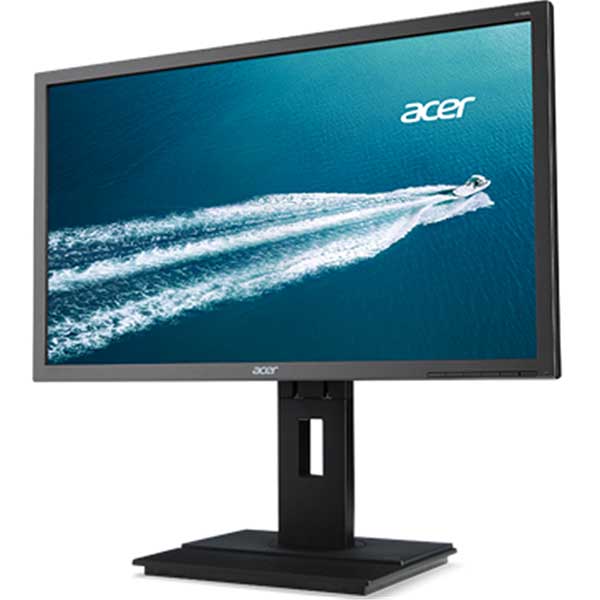

Large Interactive Touchscreen + Mini PC: Keep Your Laptop Free
A large interactive touchscreen paired with a dedicated Windows mini PC gives your meeting room, classroom or community space a computer of its own. Open presentations, browse websites and work on documents on the big screen, while your personal laptop stays available for your own work.
It is the familiar Windows experience on a much larger touch-enabled display. The mini PC runs your software; the screen shows it and, when correctly connected, lets you interact by touch.
Quick summary
- Keep your laptop free: the room has its own dedicated computer.
- Use familiar software: run compatible Windows apps, browsers and presentation tools, with any required licences.
- Check both connections: picture and touch commonly use separate cables.
- Choose the right PC: check Windows 11 support, performance and video outputs.
- Plan the complete setup: allow for mounting, power, networking and any meeting accessories.
What is a mini PC?
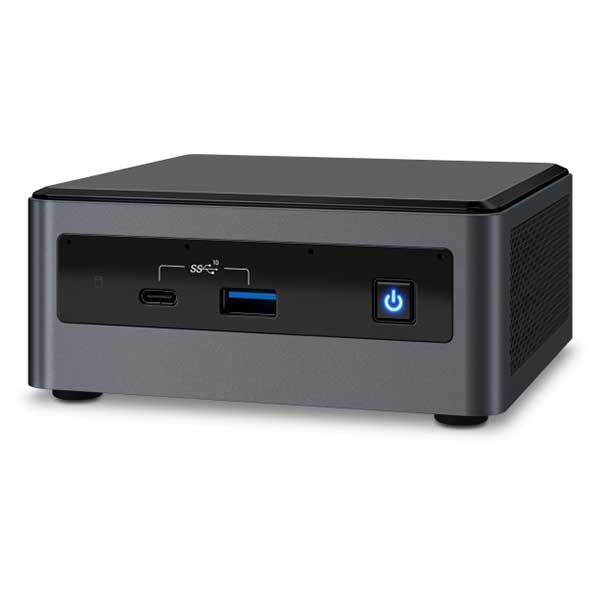
A mini PC is a compact desktop computer, sometimes described as a Tiny, Mini or Micro PC. It needs an external screen and power supply, but runs Windows software much like a larger desktop with comparable specifications.
Its small size makes it practical to position near an interactive display or attach using a suitable mounting bracket. Leave ventilation clear and keep the power button and USB ports accessible.
Explore our refurbished tiny and mini PCs for compact business-grade options.
Why give the screen its own Windows PC?
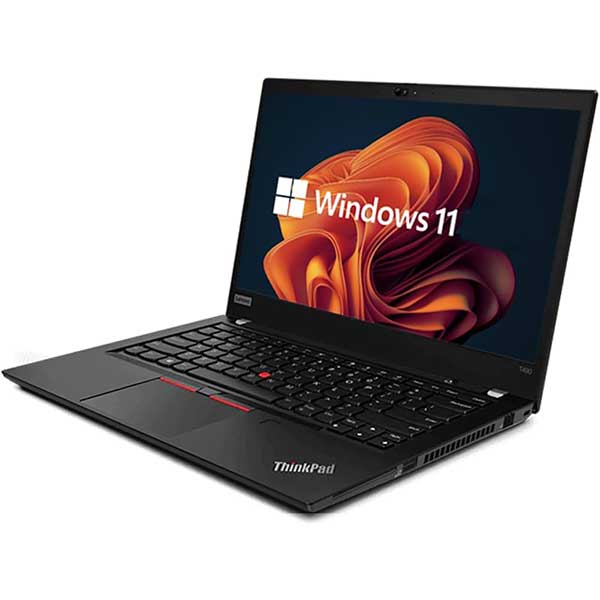
Connecting a laptop is useful for occasional presentations. For a regularly used room, a dedicated PC means the usual software and room resources can stay set up between sessions.
- Meetings: open agendas, presentations and shared documents without borrowing someone’s laptop.
- Training: demonstrate a website or Windows application directly on the screen.
- Teaching and group activities: use suitable touch-friendly learning and whiteboard software.
- Clubs and community spaces: keep a consistent setup for different presenters.
A touchscreen does not automatically add drawing tools to every application. Annotation, pen features and multi-touch behaviour depend on the display, its drivers and the software you use. Keep a keyboard and mouse handy for typing and detailed work.
Dedicated mini PC or your own laptop?
| Consideration | Dedicated mini PC | Personal laptop |
|---|---|---|
| Availability | Stays with the room. | Depends on the presenter bringing it. |
| Your own work | Your laptop remains available separately. | Your laptop runs the room’s session. |
| Setup | Cables and room software can remain in place. | Connections and settings may change between presenters. |
| Files and accounts | Needs planned access to shared files and appropriate accounts. | Your files are handy, but private content needs care. |
| Cost and upkeep | Adds a computer to purchase, secure and maintain. | Reuses a computer you already have. |
How does the touchscreen connect?
On many displays, HDMI carries picture and sound, while a separate USB cable carries touch input back to the PC. DisplayPort setups commonly need a separate USB touch connection too.
Look for the display’s USB upstream socket, often labelled “Touch” and commonly USB-B. Use the touch socket assigned to your chosen video input, as layouts vary by model. A normal USB socket intended for a memory stick is not necessarily the right connection.
Some displays support video, sound and touch over one USB-C cable. This requires compatible ports on both devices and a suitable cable. Do not assume every USB-C port supports video or that the screen can power the PC.
What ports should you look for on your laptop or mini PC?
- HDMI or DisplayPort: a video output that matches the screen, or a correctly specified adapter.
- USB data: an available connection for touch when using a separate touch cable.
- USB-C with video support: check the computer’s specifications for DisplayPort Alt Mode or suitable Thunderbolt support if you plan to use USB-C video.
- Spare USB ports: allow for your keyboard, mouse, camera or speakerphone.
- Ethernet or Wi-Fi: confirm how the PC will connect to your network.
A USB-C socket’s shape does not tell you everything it supports. Our guide to USB-C ports and cables explains what to check.
What PC specifications make sense?
For everyday presentations, browser use and office documents, we suggest a Windows 11-compatible business mini PC with an SSD and 16GB of RAM as a practical starting point. A lighter workload may be comfortable with 8GB; heavier multitasking or specialist software needs a closer check.
Choose the processor by its actual model and generation, rather than the i5 or i7 badge alone. If you want 4K at 60Hz, confirm that the PC output, adapter, cable and display input all support that combination. Screen size alone does not determine how powerful the PC needs to be.
Office, whiteboard and conferencing software may need separate licences or subscriptions. A large touchscreen also does not necessarily include a camera or microphone: check the listing and allow for suitable meeting accessories.
Set it up step by step
- Install the display safely. Use a mount or stand rated for its weight and mounting pattern. Follow the manufacturer’s lifting and installation instructions.
- Position the mini PC. Keep it secure, ventilated and accessible, with cables clear of walkways.
- Connect power, video and touch. Follow the display’s connection guide, then select the matching screen input.
- Set up Windows. Install updates and any display-manufacturer drivers or touch software required.
- Adjust the picture. In Settings > System > Display, check resolution and scaling so text is comfortable to read.
- Test before the first session. Try touch across the screen, audio, your main apps and any camera or microphone.
- Prepare daily use. Agree where files are saved, how users sign in, and when updates and restarts can run.
If you occasionally connect a Windows laptop instead, press Windows + P to choose whether to duplicate its screen, extend the desktop or use only the external display.
Common questions
The picture works, but touch does not. Why?
Check that the separate USB touch cable is connected to the correct input-associated socket, then check the manufacturer’s driver requirements. For USB-C, confirm that the cable supports the required data and video functions.
Can I use a display that already has Android built in?
Often, yes, provided it supports video input and Windows-compatible touch from an external PC. Selecting that input lets you use the attached Windows computer; it does not replace or upgrade the display’s built-in Android system.
Will any large TV work?
A compatible TV can show the PC’s picture, but an ordinary TV does not gain touch control simply by connecting a computer. You need a display with suitable touchscreen hardware.
Before you buy: a quick checklist
- The display supports external Windows touch input.
- The PC, screen, cables and adapters work together.
- The PC supports Windows 11 and your intended software.
- The screen size, mounting and text visibility suit the room.
- You have allowed for power, networking and meeting accessories.
- You have checked what is included and confirmed delivery arrangements for the large display.
Protect your files and accounts: back up important work, save whiteboard notes before closing a session, and avoid leaving personal email or administrator accounts signed in on a shared PC. Keep Windows and apps updated, and hide private notifications during presentations.
Build a practical setup with NZ Laptop Wholesale
We supply professionally refurbished, tested and cleaned business-grade ex-lease computers, with real local support. Backed by our warranty.
Browse our interactive displays and digital whiteboards, or ask us about pairing a screen with a Windows mini PC. Tell us what you want to do and, if you already have a display, send its model number and a photo of the connections. We can help check the combination and discuss suitable delivery arrangements.


