




General
Legal Laptop Deployment: A Practical Plan

A missed deadline, a misplaced client file or a laptop that will not connect at court is not just an IT inconvenience for a law firm. It can interrupt billable work and damage client confidence. A legal laptop deployment needs to give every staff member a dependable machine, consistent access to approved systems and sensible protection for confidential information – without tying up the budget in expensive new hardware.
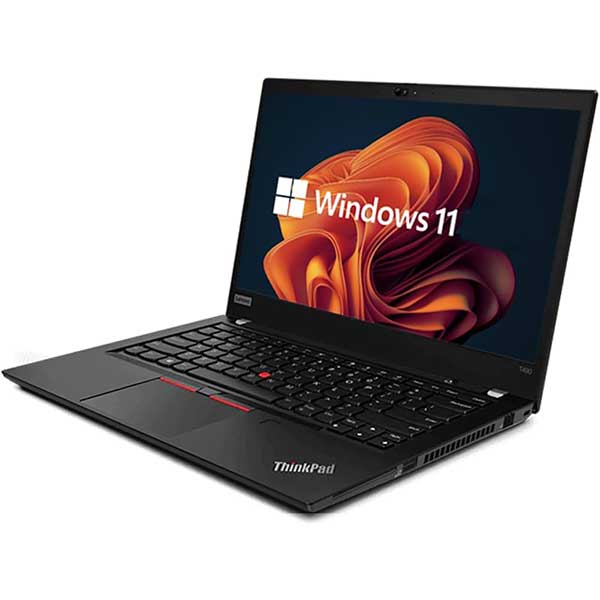
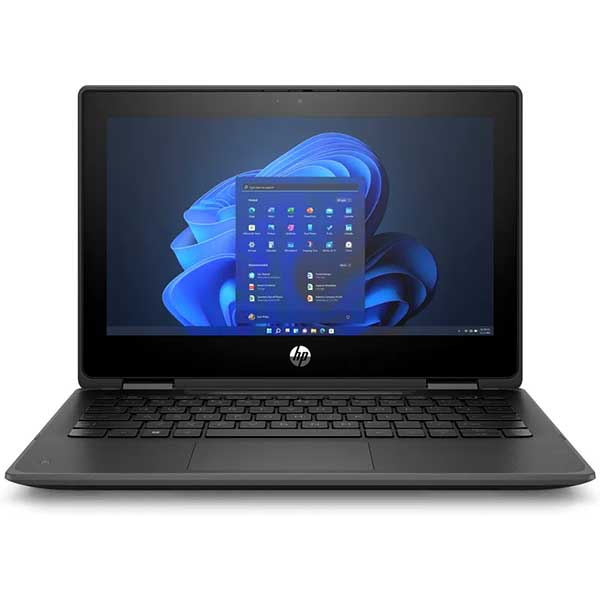
For many New Zealand practices, professionally refurbished business laptops are a practical starting point. Enterprise models from Dell, HP and Lenovo are built for regular business use, offer the ports and docking options office staff need, and can provide excellent value when selected and prepared properly.
Start with the work, not the laptop
A legal practice rarely has one type of user. A receptionist may mainly use practice management software, email, scanning and document handling. A solicitor may spend most of the day in Microsoft 365, legal research platforms, video meetings and large PDFs. Partners may work between the office, home and client meetings, while support staff may need reliable dual-monitor setups.
Before ordering devices, list the applications your people use and the way they work. Include practice management software, document management, time recording, accounting, cloud storage, dictation tools, e-signing, secure remote access and any court or government portals relevant to the firm. Check their browser, operating system and memory requirements rather than relying on a basic specification sheet.
This prevents a common false economy: buying the cheapest available laptop, then finding it struggles with multiple browser tabs, a video call, a large brief and a second screen. The right standard depends on the role, but it should feel responsive during a normal working day.
Set a clear legal laptop deployment standard
Standardisation is one of the simplest ways to make a small fleet easier to support. It does not mean every employee must have exactly the same laptop. It means there are a small number of approved configurations, each matched to a clear job type.
For most firms, a sensible base standard is a Windows 11-ready business laptop with an Intel Core i5 or equivalent processor, 16GB of RAM and a solid-state drive. A 256GB SSD can suit staff whose documents are held in approved cloud or server storage, while 512GB gives more breathing room for offline work, scanned files and larger local folders. A 14-inch laptop is usually the best balance of portability and screen space. A 15.6-inch model may suit staff who work away from a desk more often and prefer a larger display.
The following checks are worth making before finalising a device standard:
- Windows 11 compatibility and sufficient remaining support life
- At least 16GB RAM for everyday legal multitasking
- An SSD rather than an older mechanical hard drive
- A webcam, microphone and Wi-Fi performance suitable for video meetings
- USB-C or suitable ports for docks, displays and accessories
- Battery condition that matches the employee’s expected mobile use
There are trade-offs. A compact 13-inch laptop is easy to carry between meetings but can feel cramped for document review. A larger machine can be more comfortable for drafting but is less convenient on the move. For office-based solicitors, a 14-inch laptop paired with a dock and two external monitors is often a more productive choice than buying a large, high-priced mobile workstation.
Security belongs in the setup process
Law firms handle personal information, commercially sensitive records and privileged communications. Security should not depend on each employee remembering a different set of steps when they first switch on their laptop. Build the required protections into the deployment process.
At a minimum, every device should have a supported operating system, full-disk encryption, automatic updates, screen lock settings and reputable endpoint protection. Use individual user accounts rather than shared logins, and require multi-factor authentication for email, cloud storage and practice systems wherever it is available. Staff should not be local administrators unless there is a specific, managed reason.
A strong password policy helps, but passwords alone are not enough. Lost laptops are a realistic risk for staff travelling between the office, home, client sites and court. Encryption means information on the drive is protected if the device is stolen. Remote device management can also help an authorised administrator locate, lock or wipe a missing machine, depending on the tools your firm uses.
Security also includes physical details that are easy to overlook. Record the serial number, assigned user, purchase date and warranty details for every laptop. Keep chargers and docks labelled. If an employee leaves, collect the device promptly, remove their access, preserve any business data required by your retention policy and prepare the laptop properly before it is reassigned.
Prepare each laptop before it reaches a desk
A laptop is not deployed because it has been unboxed. The deployment is complete when the employee can work safely and the firm can support the machine without guessing what has been installed.
Create one approved setup for each device type. This should include operating system updates, firmware updates, drivers, browser settings, Microsoft 365 or your chosen productivity suite, practice software, PDF tools, approved cloud storage and security software. Avoid loading a mix of unapproved utilities simply because they were used on an older device. They create support problems and can introduce avoidable risk.
Use a naming convention that makes devices easy to identify. Something simple such as LAW-AKL-014 is more useful than leaving every computer with a default manufacturer name. Record who receives it, what accessories go with it and whether it has a dock, external displays or a carry case.
Test the whole working setup, not just the laptop itself. Confirm that the user can sign in, access email and shared files, print, scan, join a video meeting and connect to the office displays. A five-minute test before handover can avoid a frustrating first day for a new starter.
Make remote and office work equally practical
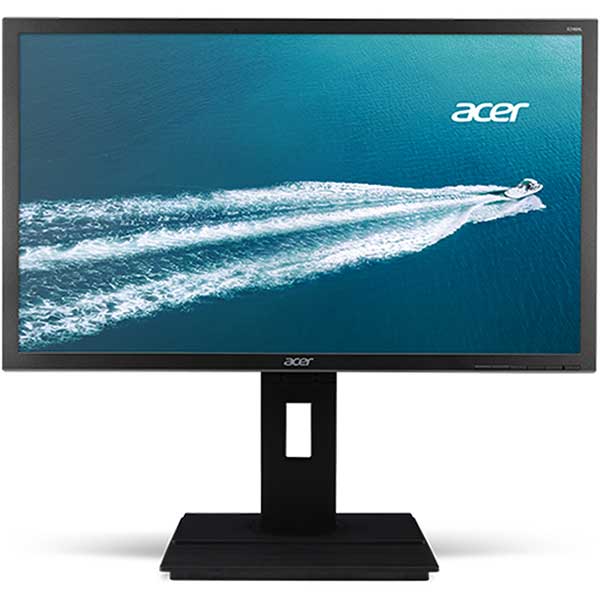
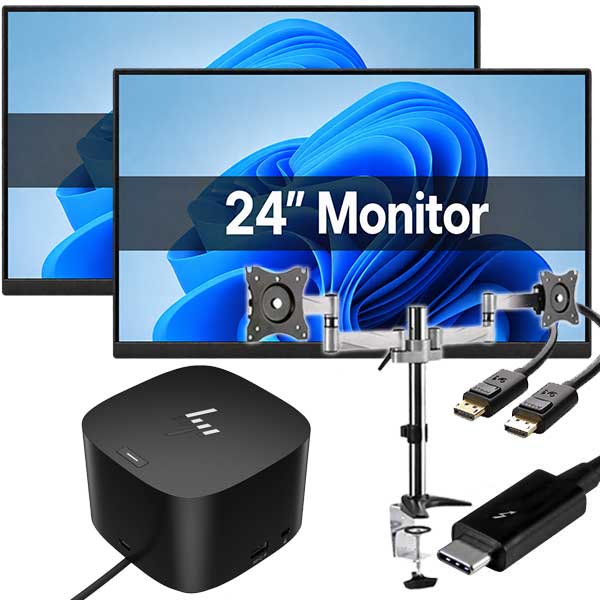
Hybrid work is now normal for many professional services teams, but a laptop-only setup can slow people down. Reading contracts, comparing versions and drafting long documents on one small screen is tiring. A docking station and two monitors can make a major difference to staff who spend most of their week at a desk.
Not every employee needs the same accessories. Mobile staff may get more value from a quality carry case, spare charger and reliable wireless mouse. Office-based staff may benefit more from a dock, keyboard, mouse and matched monitors. Decide by work pattern, rather than issuing accessories because they are included in a standard bundle.
Also consider internet reliability at home. A secure remote connection cannot compensate for poor Wi-Fi in every situation. Staff should know how to report connection issues, use approved file locations and avoid saving client documents to personal devices or unapproved storage services.
Refurbished business laptops can suit legal teams
A refurbished laptop does not have to mean an old or unreliable laptop. Business-grade ex-lease models are often designed for commercial fleets, with durable chassis, repairable components and practical connectivity. When professionally refurbished, tested and supplied with clear specifications and warranty information, they can be a sensible option for firms replacing several devices at once.
The value is particularly clear when the budget needs to cover more than laptops. Savings can be put towards additional memory, SSD storage, docking stations, monitors, security tools or a spare device for urgent replacements. Buying one or two backup laptops can be more useful than stretching the budget for top-tier specifications that most users will never need.
Condition should still be assessed honestly. Minor cosmetic marks may be acceptable for an office fleet if the screen, keyboard, battery and ports perform as expected. For client-facing partners or staff regularly attending meetings, the presentation of the device may matter more. Match the condition grade and configuration to the role.
Plan for support and replacement from day one
No laptop lasts forever, and a good deployment plan accounts for that. Keep a simple replacement schedule based on age, performance, battery health and the changing requirements of your software. Waiting until devices fail creates rushed purchases and inconsistent setups.
For a smaller practice without an internal IT team, written handover notes are especially useful. Employees need to know who to contact, how to report a lost device, where files should be stored and what to do if they see a suspicious email or unexpected login prompt. Brief, practical guidance is more likely to be followed than a long policy document nobody reads.
NZ Laptop Wholesale can help firms source quality refurbished business devices that fit a defined standard, whether the priority is portable laptops, Windows 11-ready machines or complete desk setups. The important part is choosing hardware as part of a wider plan, not as a one-off purchase.
A well-prepared laptop should disappear into the background of the working day. When staff can open a brief, find the right file, meet securely with a client and move between home and office without fighting their technology, the deployment has done its job.


