



General
How to Pick a Student Chromebook That Lasts
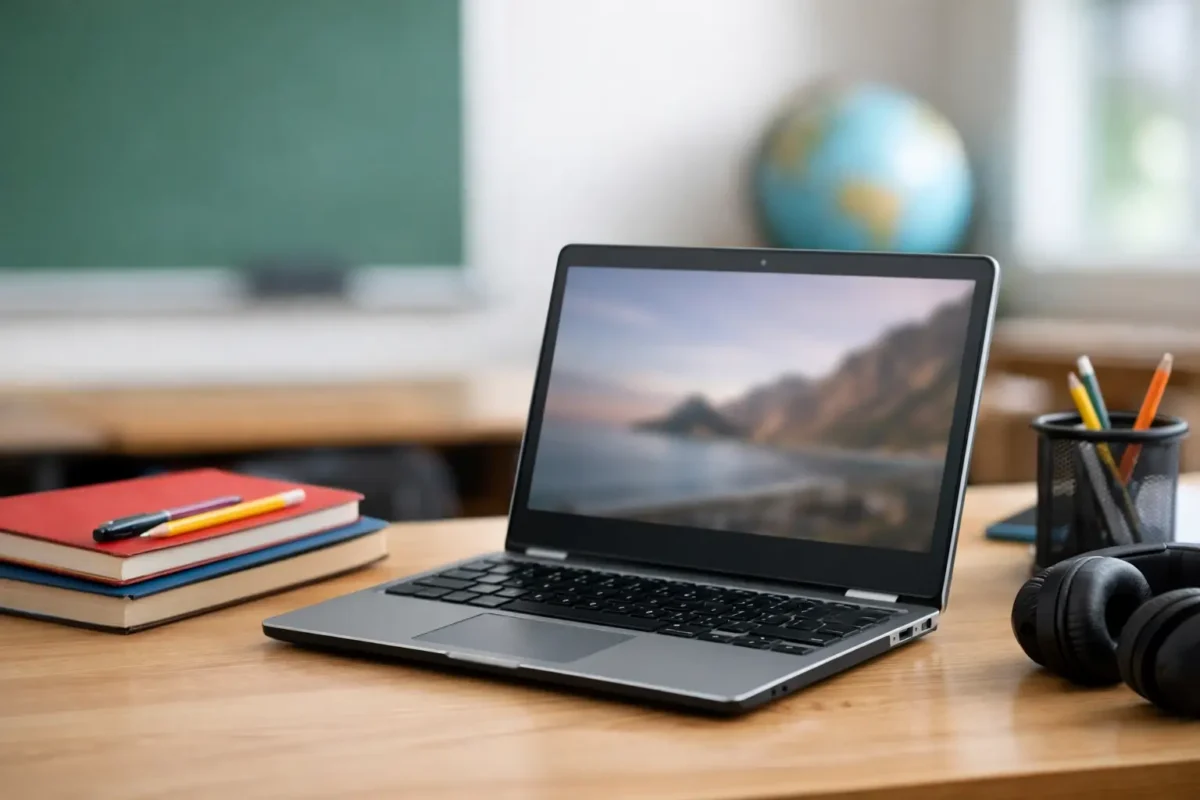
A Chromebook is often the most sensible choice for schoolwork, but the cheapest option is not always the best value. If you are working out how to pick a student Chromebook, start with the work the student will actually do, the school’s device requirements, and how long the machine needs to remain useful. A well-chosen refurbished business-grade Chromebook can handle everyday learning reliably without the cost of a new device.
For most New Zealand students, a Chromebook needs to open quickly, hold a charge through the school day, connect to classroom Wi-Fi, and cope with a backpack, desk, kitchen table and daily travel. The right model is one that does those jobs dependably, rather than one with specifications the student will never use.
Check the school’s BYOD requirements first
Before comparing models, check whether the school has a Bring Your Own Device policy. Some schools specify a minimum screen size, require a physical keyboard, recommend certain apps, or set rules around managed Google accounts. A school may also say whether a touchscreen, stylus or particular type of charger is useful for certain year levels.
Chromebooks work especially well where teaching is based around Google Classroom, Google Docs, web research and browser-based learning platforms. They are quick to start, simple to manage and less prone to the software issues that can interrupt homework at the worst possible time.
However, ChromeOS is not a replacement for every type of computer. If a senior student needs specialist Windows-only software for design, coding, engineering, video production or a particular course, a Windows laptop may be the better fit. It depends on the school programme and the subjects they intend to take over the next few years.
How to pick a student Chromebook by year level
Younger primary students usually benefit from a compact, durable Chromebook with a straightforward keyboard and a screen large enough for reading activities. An 11.6-inch model is easy for smaller hands to carry and fits neatly into most school bags. A touchscreen can be handy for younger students, but it is not essential if the school mainly uses keyboard-based activities.
For intermediate and secondary students, a 13-inch or 14-inch screen is often more comfortable for extended writing, research and working with multiple browser tabs. The trade-off is size and weight. A larger display is easier on the eyes, while a smaller Chromebook is more portable and usually costs less.
Students who type long assignments should place more value on keyboard comfort than on a flashy design. Business-grade Chromebooks from established brands such as Dell, HP and Lenovo are built for repeated daily use, which can make a real difference over several school years.
Choose specifications for schoolwork, not marketing claims
Chromebooks do not need the same hardware as a high-end Windows laptop, but there are still minimum specifications worth aiming for. A low-spec device can feel fine on day one, then become frustrating when the student has several tabs, a video lesson and a document open at once.
For basic classroom work, 4GB of RAM is workable. For a student who regularly uses multiple browser tabs, video calls, Android apps or online learning tools at the same time, 8GB of RAM provides more breathing room. It is a worthwhile upgrade when the price difference is sensible, particularly for a Chromebook intended to last through secondary school.
Storage is less critical than it is on a Windows laptop because Chromebook files are commonly stored in Google Drive. Even so, 32GB can fill up quickly with downloaded documents, offline files and Android apps. A 64GB model is a safer starting point for most students, while 128GB gives more flexibility for offline work and media.
Processor names can be confusing, but the practical point is simple. Entry-level Intel Celeron or similar processors are suitable for web browsing, documents and email. A newer Intel N-series, Pentium, Core i3 or comparable processor will generally feel more responsive for heavier multitasking. There is little need to pay for premium performance if the Chromebook will only be used for standard school tasks.
Screen quality affects daily comfort
An HD display is adequate on a smaller 11.6-inch Chromebook, but Full HD is preferable on 13-inch and 14-inch devices. Text looks sharper, research is easier to read and students have more room for documents and browser windows.
Also consider whether the screen has a matt or glossy finish. A matt display is often more practical in bright classrooms and near windows because it reduces reflections. Touchscreens add flexibility but can increase cost, weight and the chance of visible fingerprints. They are useful when the school actively uses touch-based learning, not simply because they sound better on a specification sheet.
Battery life should be realistic, not theoretical
Manufacturers often quote battery figures measured under ideal conditions. Real school use includes Wi-Fi, brightness turned up, video playback and plenty of browser tabs, all of which reduce runtime. Look for a Chromebook designed to last a full school day, but assess a refurbished model based on its tested condition rather than relying on its original advertised battery claim.
For a student device, charging convenience matters too. USB-C charging is particularly useful because it is common, compact and can make replacing a lost charger easier. Check that the correct charger is supplied and that it is included in the purchase price.
A device that needs charging halfway through every day is not a bargain, even if the upfront price is low. Battery health is one reason to buy professionally refurbished equipment from a seller that tests devices properly and provides clear warranty information.
Durability matters more than a thin design
School devices get knocked about. They are packed quickly, left on dining tables, carried between classes and occasionally dropped. Look for solid hinges, a keyboard without worn or missing keys, and a chassis that does not flex excessively when opened.
Rugged education Chromebooks are worth considering for younger students or anyone hard on gear. They may not look as sleek as premium consumer models, but reinforced corners, spill-resistant keyboards and durable construction can save money over time.
When assessing a refurbished Chromebook, cosmetic marks are not the same as functional faults. Light scuffs or minor signs of previous use can be perfectly acceptable when the device has been professionally tested and priced accordingly. Focus on the screen, keyboard, trackpad, ports, hinges, battery and charger. Those are the parts that affect everyday use.
Do not overlook ports, webcam and connectivity
Most schoolwork happens online, so dependable Wi-Fi is essential. A Chromebook with modern Wi-Fi support is a better long-term choice, especially in busy school environments where many devices are connected at once. Bluetooth is useful for wireless headphones, although a standard headphone socket remains practical for wired headsets and classroom audio.
USB-C ports are useful for charging, accessories and external displays. At least one USB-A port can still be helpful for older USB drives or peripherals. If a student will present work on a larger screen, check whether the Chromebook supports video output through USB-C or HDMI.
A webcam and microphone are now everyday essentials rather than optional extras. They matter for remote learning, group calls and online assessments. There is no need for studio-quality hardware, but the webcam should be clear enough for teachers to see the student properly in a video call.
Check the ChromeOS update expiry date
One of the most important checks when buying a refurbished Chromebook is its Automatic Update Expiration date, often called AUE. Chromebooks receive ChromeOS and security updates for a defined period. Once that date has passed, the device may still work, but it will no longer receive the same level of ongoing software support.
Avoid buying an older Chromebook without checking how many years of updates remain. A low price can look attractive until you realise the device is close to the end of its supported life. For a student starting a new school year, aim for enough remaining updates to cover the expected period of use, ideally with a comfortable buffer.
A practical buying checklist
Before purchasing, confirm these points:
- The school accepts Chromebooks and does not require Windows-only software.
- The device has enough remaining ChromeOS updates for the student’s needs.
- It has at least 4GB RAM, with 8GB preferred for busy secondary students.
- The screen size suits the student’s age, writing workload and travel needs.
- The battery, keyboard, screen, ports and charger have been tested.
- Warranty terms, condition grading and freight costs are clear.
A refurbished business-grade Chromebook can be an excellent school purchase when these basics are covered. NZ Laptop Wholesale focuses on professionally refurbished devices that give families and schools a practical alternative to paying new-device prices.
The best student Chromebook is not necessarily the newest or most expensive model. It is the one that meets the school’s requirements, has support left in it, survives everyday use and lets the student get on with learning without the device becoming another problem to solve.


