









TL;DR: How and Why to Update Windows
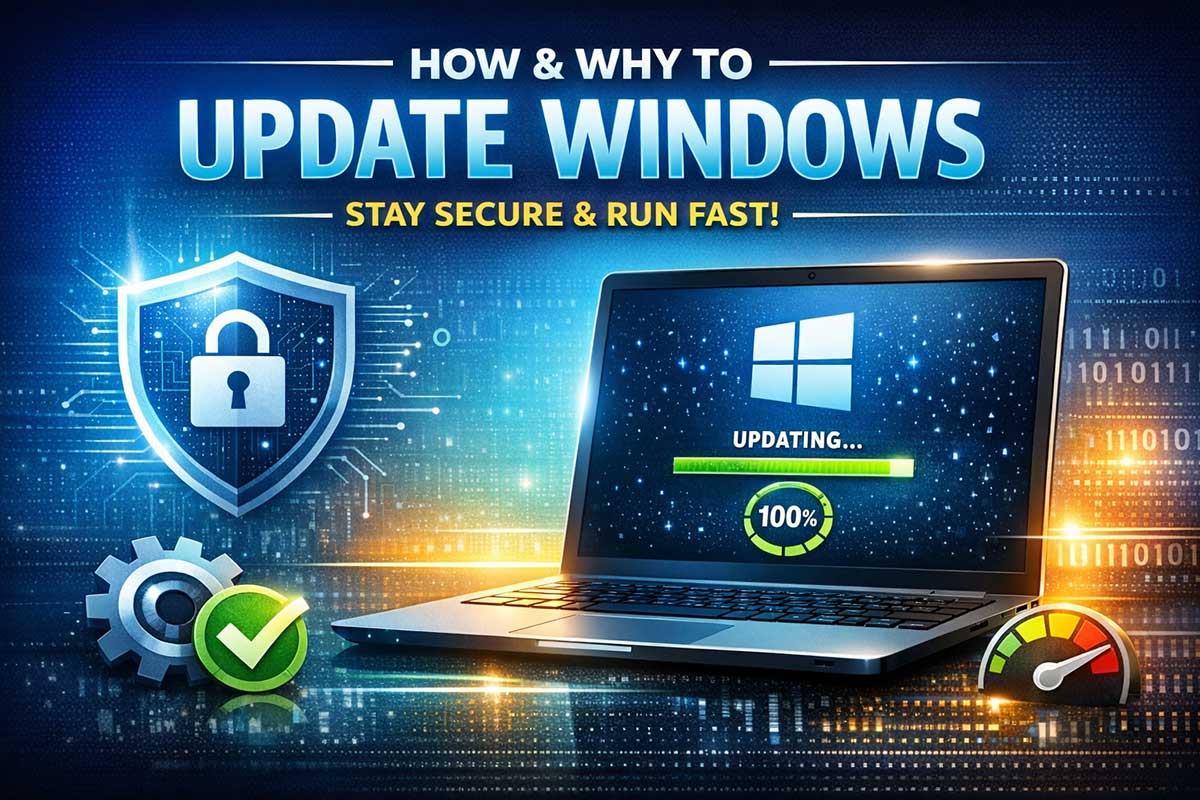
Keeping Windows updated helps protect your computer, fix bugs, improve stability and keep apps, printers, docks and monitors working properly. Windows 10 and Windows 11 both include built-in update tools, so most users can check for updates directly from Settings.
Quick steps: Open Settings, go to Windows Update, click Check for updates, then install any available updates and restart when prompted.
Before updating, plug your laptop into power, save your work and allow enough time for the process to finish. If updates get stuck or repeatedly fail, check your internet connection, free up storage space, restart properly, and try the Windows Update troubleshooter.
If your PC feels slow, buggy, or “a bit off”, there’s a good chance it’s overdue for updates. Windows Updates aren’t just about new features — they quietly patch security holes, fix errors, improve performance, and keep your laptop compatible with modern apps and hardware.
Below is a simple, safe, step-by-step guide you can follow at home — plus tips to stop surprise restarts and what to do if Windows Update gets stuck.
Why Windows updates matter (the non-technical version)
Keeping Windows updated helps with:
- Security: Updates patch newly discovered vulnerabilities (this is the big one).
- Stability: Fixes for random crashes, glitches, and “it just froze” moments.
- Performance: Improvements that can reduce slowdowns and weird behaviour.
- Compatibility: Helps newer apps, printers, docks, and monitors work properly.
Before you start: a quick 2-minute checklist
- Plug into power (especially laptops) — don’t update on low battery.
- Save your work and close apps you don’t need.
- Allow time: Most updates take 10–30 minutes, but bigger ones can take longer.
- Use a stable internet connection (avoid mobile hotspot if possible).
How to update Windows 11
- Click Start → Settings
- Go to Windows Update
- Click Check for updates
- If updates appear, click Download & install
- If prompted, click Restart (or schedule it for later)
How to update Windows 10
- Click Start → Settings
- Go to Update & Security → Windows Update
- Click Check for updates
- Install what’s offered and restart if prompted
Pro tip: check “Optional updates” (drivers & extras)
Sometimes Windows will offer optional updates, often driver-related. These can help with things like Wi-Fi stability, Bluetooth, trackpads, docking stations, and displays.
- In Windows Update, look for Advanced options → Optional updates (wording varies slightly by version)
- Only tick items you recognise (or stick to drivers if you’re unsure)
How to stop Windows restarting at the worst possible time
If you’ve ever walked away mid-task and come back to a “Restarting…” screen… this section is for you.
- Schedule the restart: If Windows asks for a restart, choose Schedule the restart and pick a time that suits.
- Set Active Hours: Tell Windows when you normally use your PC so it avoids restarts during those times.
- Pause updates (short-term): Handy if you’re in the middle of something important — just remember to unpause and update later.
How often should you update Windows?
- Home users: Check once a week (or at least once a fortnight).
- Work / study devices: Weekly is ideal, especially if you use email, banking, or cloud apps.
- After buying a laptop: Run Windows Update fully on day one — it’s one of the best “fresh start” steps.
Common Windows Update problems (and what to do)
1) “Updates are stuck at 0% / 20% / 99%”
- Give it time (some updates pause while “working in the background”).
- Restart your PC once and try again.
- Make sure you have at least 15–20GB free space on your drive.
2) “Restart required” keeps coming back
- Do a proper restart (Start → Power → Restart, not Shutdown).
- After reboot, go back into Windows Update and check again.
3) Windows Update errors or repeated failures
- Run the built-in Windows Update troubleshooter.
- If it’s still broken, you may need to reset Windows Update components.
If you’re seeing repeated update failures, this guide can help: Fixing Windows Update Issues: How to Reset Windows Update Components.
Related guides (recommended)
- Windows 10 End of Life: What It Means
- What is Device Manager in Windows?
- How to Get Windows 10 Updates in 2025
Need a hand?
If your laptop is struggling to update (or it’s taking hours every time), it can be a sign of low storage, drive health issues, or software conflicts. If you purchased from NZ Laptop Wholesale, flick us a message — we’re happy to point you in the right direction. And if you’re shopping for a reliable ex-lease laptop that’s been tested, cleaned, and ready to go, check out our range — backed by our warranty and shipped NZ-wide.


