




General
Windows 11 Ready PC Guide for Smart Buyers
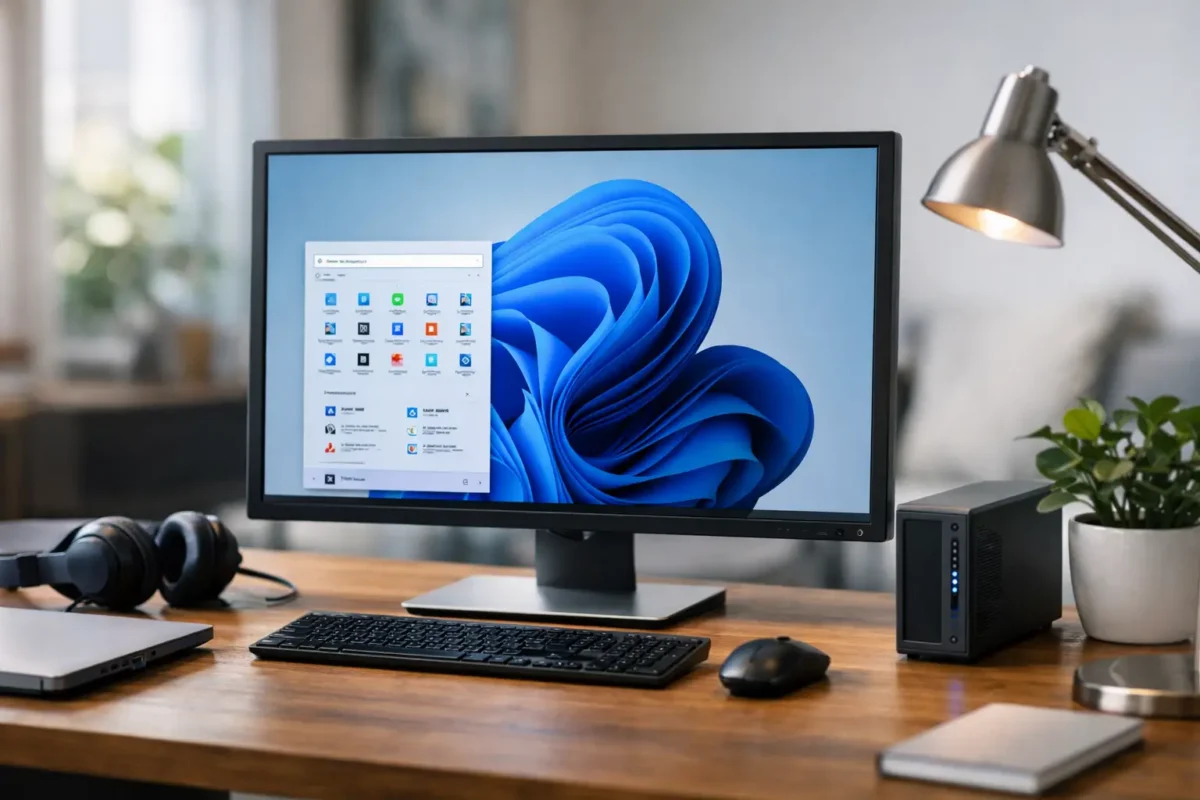
That cheap replacement laptop can stop looking cheap the moment Windows 10 support becomes a problem. A proper windows 11 ready pc guide matters because buying on price alone can leave you with a machine that looks fine today but is already on the wrong side of Microsoft’s hardware line. For schools, home offices, small businesses and families trying to stretch the budget, getting this decision right means fewer headaches and better value.
What a Windows 11 ready PC guide should actually help you check
A lot of buyers hear “Windows 11 ready” and assume it just means the computer turns on and can install the software. That is only part of the story. A genuinely suitable machine needs to meet Microsoft’s core requirements while still being practical for the way you work.
That means looking past marketing labels and checking the fundamentals: processor generation, TPM support, RAM, storage, battery health if it is a laptop, and the overall condition of the hardware. For many buyers, especially when considering refurbished business machines, the real question is not just compatibility. It is whether the PC will still feel quick and dependable for the next few years.
Windows 11 tends to run best on reasonably modern hardware with solid-state storage and enough memory to keep daily tasks moving. A machine can technically qualify and still feel sluggish if the spec is too lean. That is where a practical buying approach beats chasing the lowest ticket price.
The core Windows 11 requirements that matter most
The processor is the first major checkpoint. In plain terms, most buyers should be looking for Intel 8th Gen or newer, or the AMD equivalent that is officially supported. Older enterprise laptops and desktops can still be excellent for Windows 10, but if your goal is a longer-term purchase, supported hardware matters.
TPM 2.0 is another non-negotiable requirement. This security feature is built into many business-grade systems, which is one reason ex-lease commercial hardware often makes more sense than a low-end consumer model. Enterprise machines were designed for managed office environments, so features like TPM are commonly included.
RAM and storage are where usability comes into play. Windows 11 can run on 4GB of RAM, but that is a bare minimum, not a smart target. For work, study, web browsing, Teams calls and multitasking, 8GB is a far safer starting point. If the device is for heavier office use, dozens of browser tabs or shared family use, 16GB gives you more breathing room.
Storage matters just as much. An SSD makes a huge difference to startup times, updates and everyday responsiveness. A Windows 11 ready machine with a hard drive can feel dated very quickly. For most buyers, 256GB SSD storage is a sensible minimum, while 512GB suits broader office or study needs.
Why refurbished business PCs often make more sense
If you are comparing brand-new budget models against refurbished business-grade hardware, the second option is often the better buy. That is especially true if your priorities are reliability, durability and practical performance rather than glossy retail packaging.
Business laptops and desktops from Dell, HP and Lenovo were built for office fleets, daily transport, docking, and long work hours. Even after coming off lease, a professionally refurbished unit can still offer stronger build quality than many new consumer machines in the same price range.
There is also a specs advantage. A refurbished ex-lease laptop with an 8th Gen Intel Core i5, 8GB or 16GB RAM and SSD storage can be a far better Windows 11 option than a brand-new entry-level device with weaker materials and less upgrade headroom. The trade-off is usually cosmetic, not functional. You may see minor signs of previous use, but in return you get stronger hardware for the money.
For procurement-minded buyers, schools and growing offices, that value scales well. Instead of overspending on shiny new stock, you can equip more people with business-ready systems that are already proven in real workplaces.
A windows 11 ready pc guide for different types of buyers
The right spec depends on the job. A student doing assignments, web research and video classes does not need the same machine as an accountant juggling spreadsheets across two screens.
For students and home users
A reliable 8th Gen or newer Intel Core i5 laptop with 8GB RAM and a 256GB SSD is a very sensible starting point. It covers Microsoft 365, browser-based learning, streaming, emails and everyday homework without fuss. If the budget is tight, this is often the sweet spot.
For office work and remote work
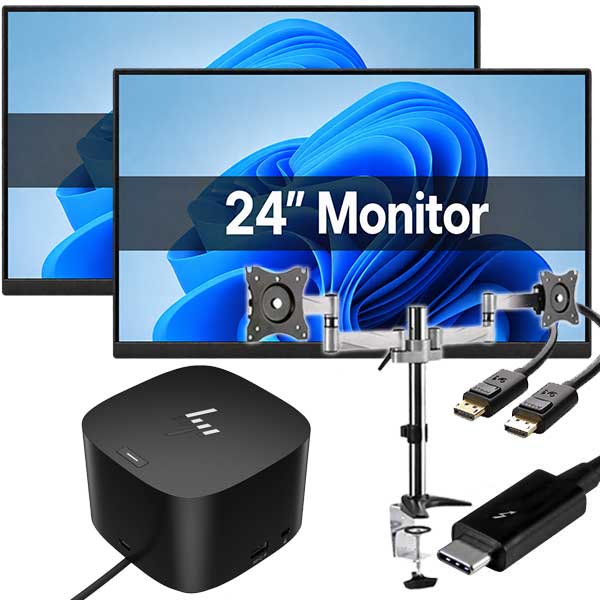
If the machine will spend long days on email, documents, cloud apps, Zoom or Teams, and light multitasking, 16GB RAM is worth considering. It keeps the system responsive and helps avoid the slow creep that can happen when too many tasks are open at once. A good docking setup and dual-monitor support can matter just as much as raw speed.
For small business fleets
Consistency is often more important than chasing the highest spec. Buying multiple units with the same processor generation, RAM, storage and ports makes support easier and replacement planning simpler. A mix of odd consumer models usually causes more trouble later.
For desktop users
A compact business desktop can be excellent value if portability is not needed. You often get stronger performance per dollar, easier upgrades, and a longer practical life. For reception desks, admin roles, call centres and home offices, this can be the most cost-effective path.
The common buying mistakes to avoid
One of the biggest mistakes is assuming any newer-looking PC will be Windows 11 compatible. Plenty of older machines still look perfectly modern but miss the supported CPU requirement. If the listing does not clearly state the processor generation and Windows 11 readiness, that is a sign to ask questions.
Another mistake is buying to the minimum spec rather than to the actual workload. Saving a small amount upfront can cost more in frustration if the laptop struggles with browser tabs, video meetings and office apps six months later. The best value usually sits just above the bottom rung.
Battery expectations can also trip buyers up. Refurbished laptops are excellent value, but battery condition should always be considered as part of the purchase. If the machine is mostly for desk use, that may not matter much. If it will be carried to class or used on the move all day, it matters a lot.
Ports are another overlooked detail. Many business buyers still need USB-A, HDMI, DisplayPort or Ethernet. A machine can be powerful enough for Windows 11 and still be awkward in a real office if it needs adapters for everything.
How to judge value, not just price
A low sticker price is only useful if the machine does the job properly and lasts. The better question is what you are getting for that spend. A professionally refurbished Windows 11 ready business laptop with proper testing, clear specs and warranty support is a different proposition from a mystery unit with vague details.
Look for transparency. The seller should be clear about processor type, RAM, storage, screen size, condition and operating system status. If those details are hard to find, it is harder to trust the rest.
Warranty matters too. With refurbished IT, confidence comes from testing and support, not from pretending used hardware is the same as factory-fresh stock. A sensible warranty and honest condition grading tell you the seller understands the product and stands behind it.
This is where a specialist refurbisher can offer more value than a random marketplace listing. Buyers want less guesswork, fewer hidden faults and a machine that is ready for work, not another project to fix.
When it is worth spending a bit more
Sometimes the cheapest suitable machine is the right one. Sometimes it is not. If you plan to keep the PC for several years, spend long hours on it, or rely on it for income, stepping up the spec is usually money well spent.
An extra bump from 8GB to 16GB RAM, or from a smaller SSD to a 512GB drive, can noticeably improve the experience over time. The same goes for choosing a business model with better keyboard quality, stronger hinges, better thermal design and easier docking support.
For buyers in Auckland, Wellington, Christchurch and elsewhere in New Zealand who need practical value, the smart move is not chasing the newest release. It is buying proven hardware that meets Windows 11 requirements and suits the job from day one.
A simple way to make the right choice
If you want this process to stay straightforward, start with three questions. Is the processor officially supported for Windows 11? Does the machine have at least 8GB RAM and SSD storage? Is it the right fit for the way you actually use a computer?
If the answer to all three is yes, you are already most of the way there. From there, it is about buying from a seller that gives you clear specs, proper refurbishment standards and realistic value.
A good PC should not feel like a gamble. It should turn up ready to work, handle the daily load without drama, and give you enough life left in it to make the purchase worthwhile. That is the real point of buying Windows 11 ready hardware carefully, rather than simply buying fast.


